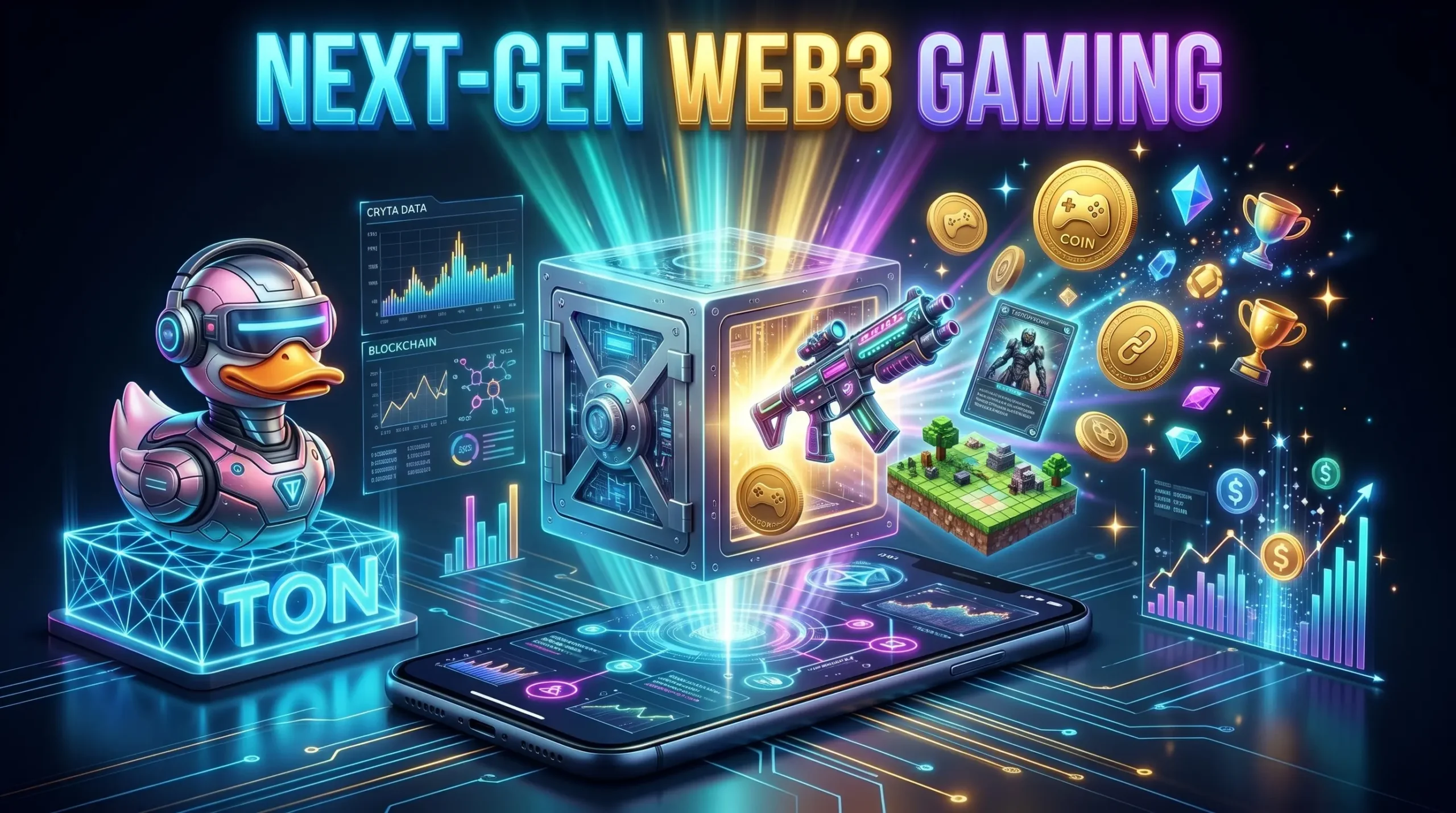
Decentralized gaming in 2026 has moved past speculation. The sector is defined by a clear split between heavy desktop PC ecosystems and lightweight mobile messaging titles. While desktop titles on chains like Immutable and Ronin deliver complex 3D environments, they carry multi-gigabyte downloads and strict hardware limits. Meanwhile, high-speed networks like TON allow Telegram Mini Apps to offer immediate onboarding and genuine asset custody without client installs.
Below is an analytical audit evaluating premier Web3 games across mobile and PC platforms by actual gameplay loops, onboarding friction, asset custody, and community retention.
Best Web3 Games 2026 Comparison Table
| Game | Primary Genre | Primary Network | Client Architecture | Upfront Entry Barrier | Digital Asset Model | Core Advantage | Main Drawback |
| Duck My Duck | Social Idle Simulator & Raids | TON | Mobile (Telegram Mini App) | Zero (Instant Launch) | Sovereign Digital Collectibles & $DMD | Instant launch, 6M+ community, seamless squad raids | Dedicated mobile apps arriving in 2027 |
| Illuvium | Tactical Auto-Battler & RPG | Immutable X / Ethereum | Desktop PC (Epic Games Launcher) | Free trial modes; Land/Fuel optional | Interconnected Digital Creatures & ILV | Unreal Engine 5 visual fidelity | Heavy hardware specs and complex mode setup |
| Pixels | Social Farming & Crafting MMO | Ronin Network | Web Browser / Mobile Web | Zero (Free-to-Play starter flow) | Farm Supplies, Land & PIXEL Token | Relaxed retro loops and vibrant town hubs | Repetitive resource grind during late game |
| Axie Infinity: Origins | Competitive Turn-Based Card Battler | Ronin Network | Desktop PC, Android Client | Zero (Free Starter Team provided) | Card Equipment, Runes & AXS Token | Deep tactical card synergies and ranked ladders | Steeper learning curve for competitive arena tiers |
| Gods Unchained | Trading Card Game (TCG) | Immutable X | Desktop PC, Android Companion | Zero (Free Starter Decks) | Minted Core Cards & GODS Token | True digital card ownership without gas fees | Match pacing can feel slow on mobile screens |
| Big Time | Cooperative Action RPG | Open Loot Ecosystem | Desktop PC Client | Free-to-Play | Cosmetic Gear & BIGTIME Token | Fast-paced multiplayer third-person combat | Exclusively desktop-focused with large install size |
| The Sandbox | User-Generated Voxel Metaverse | Ethereum / Polygon | Web Browser & Desktop Client | Free-to-Play experiences; LAND optional | Voxel Avatars, LAND & SAND Token | Flexible UGC creator tools and voxel design suites | Inconsistent performance across custom user maps |
| Splinterlands | Automated Tactical Deck Battler | Hive Blockchain | Mobile Web Browser, Desktop | Free trial; Optional Spellbook pass | Tradable Monster Cards & SPS Token | Fast 3-minute battles and active rental markets | Full reward access requires initial pass activation |
Web3 Games Ranked by Player Type and Ecosystem Access
- Mobile-First Social Players: Duck My Duck (TON)
Best for players who prioritize zero-friction access inside messaging apps, lightweight hardware performance, and steady progression through classic idle games mechanics. - Cozy Farming & Community Gatherers: Pixels (Ronin)
Ideal for casual gamers seeking low-stress agricultural loops, town social interaction, and browser-based access without tactical demands. - Ranked Card Strategists: Axie Infinity: Origins & Gods Unchained
Built for competitive card duelists who value complex deck synergies, counter-play, and climbing seasonal esports ladders. - Action Dungeon Crawlers: Big Time & Illuvium
Targeted at PC players with dedicated gaming rigs who prioritize fast multiplayer action, detailed 3D assets, and challenging boss fights. - Virtual Builders & Architects: The Sandbox (Polygon)
Suited for artists and digital architects focused on 3D voxel design, land customization, and user-generated social spaces.
Evaluation Methodology: How We Ranked the Best Web3 Titles
Gameplay Depth and Active Player Retention
Titles must sustain player engagement through intuitive core mechanics rather than repetitive tasks. We test whether game sessions remain compelling over multiple weeks, evaluating the balance between active multiplayer actions and passive progression loops.
Ecosystem Architecture and In-Game Utility
We assess the concrete utility of all in-game assets. Legitimate titles integrate tokens and collectibles into breeding trees, character upgrades, crafting catalysts, and squad governance rather than relying on speculative marketing promises.
Onboarding Friction and Mobile Accessibility
We time the onboarding process from discovery to active play. Games with instant messenger launches, gas-free execution, and clean mobile interfaces score higher than platforms requiring manual network bridging, desktop extensions, or heavy downloads.
Detailed Reviews of the Top Web3 Games in 2026
1. Duck My Duck: Next-Gen Social Idle Simulator on Telegram
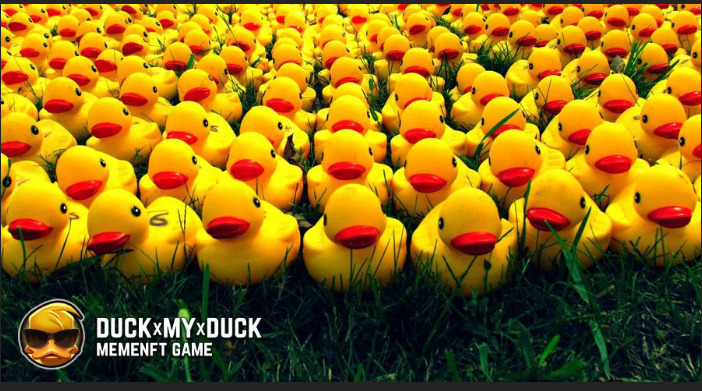
Duck My Duck is widely recognized as the premier social mobile title on The Open Network (TON). Built directly inside telegram mini apps, the game has attracted over 6 million registered users by removing hardware and app store download barriers completely.
Progression Loop: Breeding, Idle Stats, and Raids
- Hatching and Breeding: Incubate and pair digital ducks to discover distinct rarity variations, specialized production attributes, and rare visual skins.
- Stat Evolution: Allocate resources between active tap multipliers, resting facility speeds, and guild bonuses.
- Offline Idle Engine: Character progression continues gathering in-game yields while the client is closed, allowing consistent daily growth without screen fatigue.
- Cooperative Packs (Guilds): Players unite into community squads to challenge multi-phase raid bosses and secure pooled resource caches.
- Ecosystem Governance: The native $DMD token coordinates hero upgrades, tournament entries, and community voting on upcoming seasonal rulesets.
Dedicated standalone mobile applications for Apple (iOS) and Android devices are scheduled to launch in 2027, introducing native haptic feedback, custom mobile controls, and expanded ecosystem integrations.
- Primary Genre: Social Idle Management & Cooperative Raids
- Platform: Telegram Mini App (Standalone iOS / Android in 2027)
- Underlying Network: The Open Network (TON)
- Time to First Action: Under 10 seconds
- Hardware Footprint: 0 MB install size (Browser sandbox cache only)
- Asset Custody: Self-custody via native TON wallets
- Key Advantages: Zero installation, fluid 60 FPS performance, deep breeding systems, and cooperative raids
- Main Limitation: Native iOS and Android app store clients remain in development for 2027
2. Illuvium: High-Fidelity Tactical RPG Ecosystem
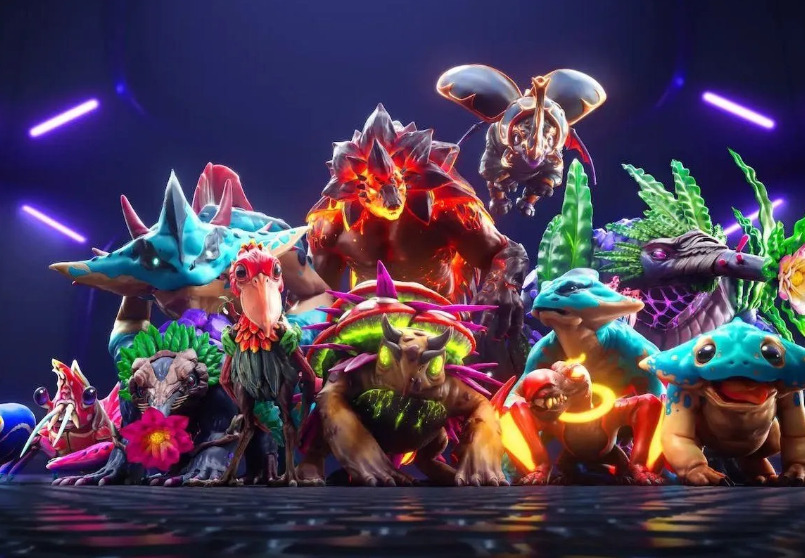
Illuvium is an interconnected gaming universe built on Unreal Engine 5 within the Immutable X Layer 2 ecosystem on Ethereum. It combines monster tracking, open-world exploration, and tactical auto-battles across three connected titles: Overworld (3D PC exploration), Arena (turn-based tactical squad auto-battles), and Zero (an industrial management mobile companion).
While Illuvium provides visual fidelity comparable to traditional PC releases, its requirement for a 40+ GB desktop client through the Epic Games Store and a dedicated graphics card makes it inaccessible for casual mobile sessions.
- Primary Genre: Open-World Exploration & Tactical Auto-Battler
- Platform: Desktop PC (Epic Games Launcher); Mobile Companion (Zero)
- Underlying Network: Immutable X (Ethereum Layer 2)
- Time to First Action: 25 to 45 minutes
- Hardware Footprint: 40+ GB desktop storage; Dedicated GPU mandatory
- Asset Custody: Self-custody on Immutable Layer 2
- Key Advantages: High visual fidelity, responsive auto-battler mechanics, zero-gas Layer 2 asset minting
- Main Limitation: High hardware demands, long download times, and steep onboarding curve
3. Pixels: Cozy Social Farming and Community Guilds
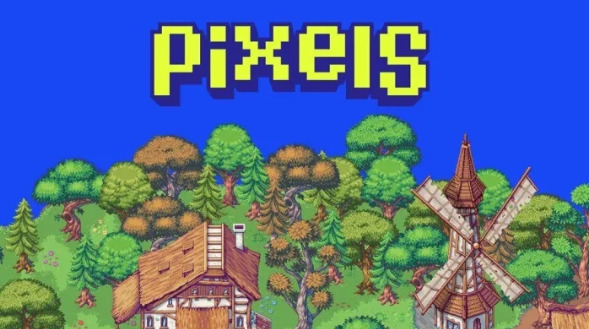
Running on the Ronin network, Pixels is an accessible 2D retro social farming and crafting MMO. Players manage agricultural plots, cultivate seasonal crops, care for virtual livestock, and craft trade goods like beverages and construction supplies.
The title incorporates active guild mechanics, allowing players to join community farming hubs and fulfill collective orders in the central town of Terravilla. Its lightweight web client operates smoothly in mobile and desktop browsers, though late-game progression can feel repetitive once core farming routines are established.
- Primary Genre: Social Farming Simulation & Multiplayer Crafting
- Platform: Web Browser (Desktop, Android, iOS Web)
- Underlying Network: Ronin Network
- Time to First Action: Under 2 minutes
- Hardware Footprint: Browser memory cache only (under 100 MB)
- Asset Custody: Ronin self-custody wallet
- Key Advantages: Lightweight retro aesthetic, low hardware requirements, and active community hubs
- Main Limitation: Agricultural gathering can feel repetitive over extended play sessions
4. Axie Infinity Origins: Competitive Strategy Card Battler
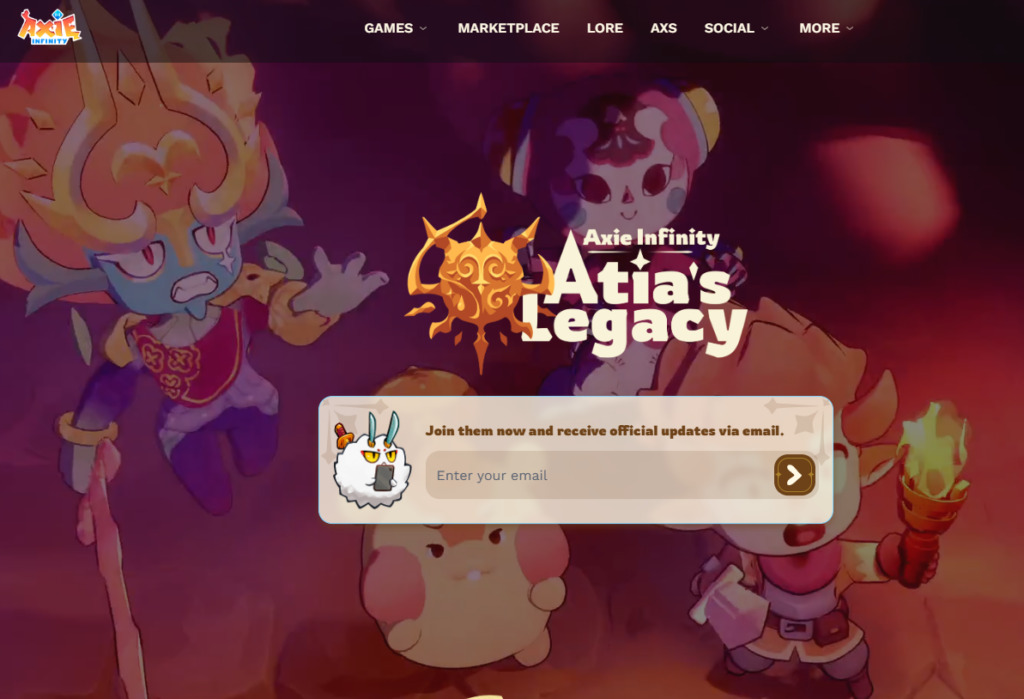
Axie Infinity Origins is a turn-based tactical card battler set in the world of Lunacia, operating on the Ronin sidechain. Players field teams of three Axies, using card decks determined by each creature’s distinct body parts. Victory requires calculated energy management, status debuffs, and synergistic card sequencing.
Origins hosts seasonal esports ladders where top players earn crafting supplies, cosmetic charms, and AXS governance tokens. Starter non-tradeable Axies allow newcomers to learn basic mechanics for free, though competing at higher seasonal ranks requires ongoing team adjustments to match the changing competitive meta.
- Primary Genre: Turn-Based Tactical Card Battler
- Platform: Desktop PC, Android APK, select regional App Stores
- Underlying Network: Ronin Network
- Time to First Action: 5 to 10 minutes
- Hardware Footprint: Approximately 1.5 GB mobile storage
- Asset Custody: Self-custody via Ronin Mobile App
- Key Advantages: Deep card synergies, structured competitive tournament ladders, fast Ronin execution
- Main Limitation: Steeper learning curve in ranked divisions; meta shifts require ongoing team adjustments
5. Gods Unchained: Sovereign Trading Card Clashes
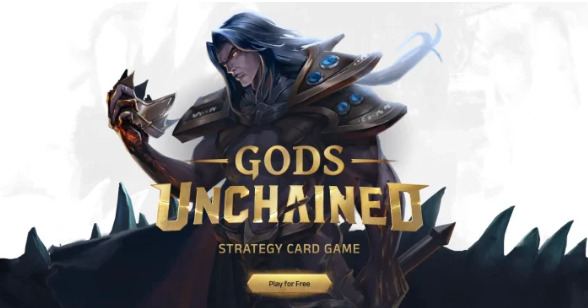
Gods Unchained is a competitive trading card game built on Immutable X, directed by veteran designers of traditional digital card games. Players construct 30-card decks aligned with one of six distinct elemental domains, balancing mana curves and tactical board clears in 1-on-1 matches.
The game grants true card ownership by letting players fuse duplicate core cards into tradeable on-chain assets via Immutable X without paying network gas fees. The mobile companion app allows players to take their ranked matches and deck configurations on the go, though combat pacing is deliberate and matches can run long for short mobile breaks.
- Primary Genre: Strategic Trading Card Game (TCG)
- Platform: Desktop PC, Android Client, iOS
- Underlying Network: Immutable X (Ethereum Layer 2)
- Time to First Action: 8 to 15 minutes
- Hardware Footprint: Approximately 3.5 GB desktop / 1.8 GB mobile
- Asset Custody: Ethereum / Immutable Layer 2 self-custody
- Key Advantages: Balanced competitive card play, true card custody, zero-gas Layer 2 trading
- Main Limitation: Match animations and turn times can feel slow during quick mobile sessions
6. Big Time: Cooperative Action RPG Dungeons
Big Time is a third-person multiplayer action RPG operating on the Open Loot platform. Players choose from specialized classes (such as Time Warrior, Chronomancer, and Shadowblade) to navigate procedurally generated dungeons in cooperative teams of up to six.
Combat is real-time and fluid, demanding active dodging, combo timing, and synchronized class abilities. Big Time keeps its combat balance purely skill-based: items that affect player stats are earned exclusively through gameplay, while tradeable digital assets consist entirely of cosmetic armor skins, weapon effects, and personal crafting spaces.
- Primary Genre: Cooperative Third-Person Action RPG
- Platform: Desktop PC Exclusively
- Underlying Network: Open Loot Infrastructure
- Time to First Action: 30 to 50 minutes
- Hardware Footprint: 25 GB hard drive storage; Dedicated GPU required
- Asset Custody: Custodial Open Loot account with external withdrawal
- Key Advantages: Fast real-time action, strong cooperative dungeon design, purely cosmetic assets
- Main Limitation: Heavy PC hardware demands and large install size; no mobile client
7. The Sandbox: User-Generated Virtual Worlds
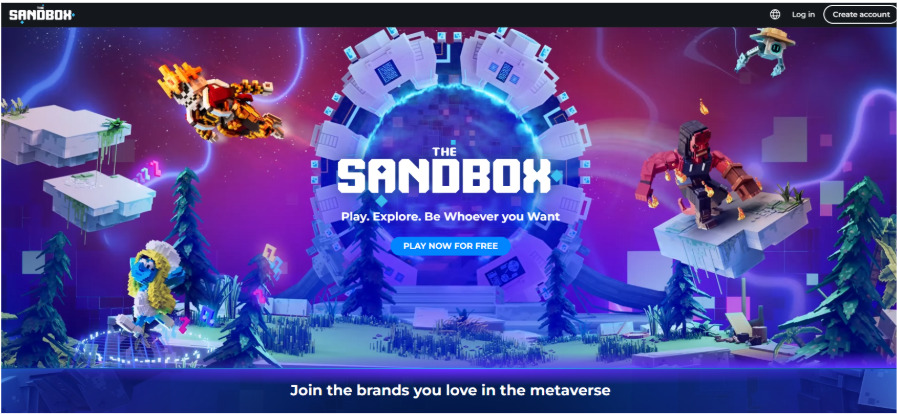
The Sandbox is an open voxel virtual metaverse operating on Ethereum and Polygon. The platform is driven by two free creative tools: VoxEdit (for modeling and animating 3D voxel assets) and Game Maker (for designing interactive quests and mechanics on virtual LAND plots without writing raw code).
Players can explore hundreds of community-built hubs, puzzle maps, and branded experiences from partners like Ubisoft, Atari, and Warner Music Group. The SAND token powers virtual land purchases, avatar customization, and DAO governance votes. Visual performance and gameplay polish can vary noticeably across player-created maps.
- Primary Genre: User-Generated Metaverse & Voxel Sandbox
- Platform: Web Browser & Desktop Client
- Underlying Network: Polygon & Ethereum
- Time to First Action: 5 to 10 minutes
- Hardware Footprint: Web client + optional 2 GB desktop launcher
- Asset Custody: Polygon / Ethereum self-custody wallet
- Key Advantages: Comprehensive free 3D creation tools, prominent global brand collaborations
- Main Limitation: Inconsistent performance and gameplay depth across custom community maps
8. Splinterlands: Fast Automated Tactical Clashes
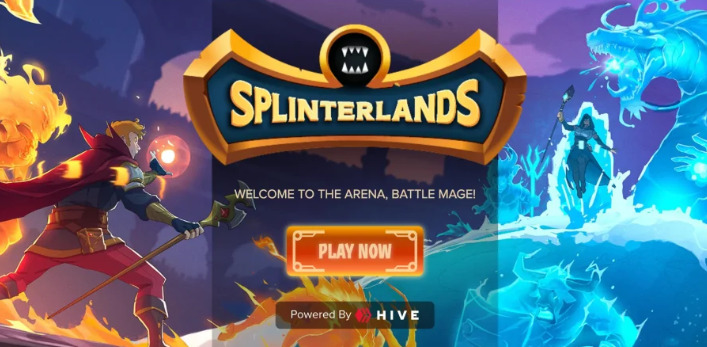
Splinterlands is a long-standing collectible tactical card game running on the Hive blockchain. Matches take under three minutes from start to finish. Players receive a specific combat ruleset, mana limit, and active splinter elements, giving them sixty seconds to assemble and position a six-card combat lineup before battles execute automatically.
Cards can be merged for stat upgrades, traded on open markets, or rented out to other players through an integrated peer-to-peer rental system. While the game includes a free trial mode, accessing seasonal rewards and tournament chests requires a one-time Summoner’s Spellbook pass.
- Primary Genre: High-Speed Automated Tactical Battler
- Platform: Mobile Web Browser & Desktop Web
- Underlying Network: Hive Blockchain
- Time to First Action: Under 3 minutes
- Hardware Footprint: Browser memory cache only
- Asset Custody: Hive account keys / Web3 wallet
- Key Advantages: Fast 3-minute matches, lightweight mobile browser access, active card rental market
- Main Limitation: Full reward tracking requires an upfront pass; user interface feels dated
What Are Web3 Games and How Do They Work on Mobile?
Web3 games combine standard interactive game engines with distributed networks to verify item custody. Instead of storing inventory data on private studio servers where progress can be modified or deleted, assets are minted directly to public networks and held inside independent self-custody wallets.
True Digital Ownership Compared With Traditional Mobile Games
| Feature / Capability | Conventional Mobile Titles (Web2) | Decentralized Gaming Ecosystems (Web3) |
| Account Authority | Owned and controlled entirely by the publisher | Controlled cryptographically by the player via private keys |
| Item Custody | Stored on private corporate servers; revocable at any time | Resides in an independent mobile self-custody wallet |
| Asset Portability | Trapped permanently inside a single closed application | Usable across secondary markets, companion games, and DAOs |
| Platform Fee Structures | Up to 30% retained by traditional centralized app stores | Negligible network fees on optimized L1/L2 networks |
| Secondary Market Freedom | Prohibited under terms of service; risk of account termination | Fully permitted and executed via open decentralized marketplaces |
The Role of Telegram Mini Apps in Mass Player Onboarding
Traditional Web3 onboarding often created friction through browser extensions, external seed phrase storage, and mandatory network gas purchases. Telegram Mini Apps on The Open Network (TON) remove these barriers:
- Instant Access: Titles load within seconds via messaging links without requiring multi-gigabyte app store packages.
- Integrated Wallets: Mobile TON wallets connect directly into the interface, enabling single-tap authorizations for character upgrades and tournament entries.
- Social Graph Integration: Players organize guild raids, challenge contacts, and share progress directly within existing chat channels.
Ecosystem Risk Matrix: Evaluating Sustainable Web3 Gaming
| Evaluation Dimension | Healthy Indicators (Green Flags) | High-Risk Indicators (Red Flags) |
| Entry Cost | Free-to-play loops with zero mandatory purchases | Mandatory deposits required to access basic gameplay |
| Core Promotion | Focus on gameplay mechanics, squad raids, and community | Aggressive focus on token price pumps and yield promises |
| Contract Visibility | Fully audited, verifiable contracts on public explorers | Closed-source code, hidden addresses, or unverified teams |
| Network Friction | Negligible fees (fractions of a cent per action) | Unpredictable spikes and high gas costs per click |
| Wallet Permissions | Exact single-action confirmations requested | Demands for unlimited token spending allowances |
Always maintain sovereign custody by storing your 12- or 24-word recovery phrase offline on paper. Never enter recovery seeds into messaging bots or unverified web links.
Conclusion: Which Web3 Games Deserve Your Playtime?
The Web3 gaming sector in 2026 offers distinct experiences tailored to specific player preferences:
- For a lightweight, social, mobile-first experience with zero download friction, active breeding loops, and collaborative squad raids, Duck My Duck on TON provides the smoothest onboarding alongside a clear roadmap toward standalone mobile apps in 2027.
- For high-end PC action and visuals, Illuvium and Big Time deliver rich cooperative environments for players with dedicated gaming rigs.
- For ranked card tactics and competitive ladders, Gods Unchained and Axie Infinity: Origins provide gas-free esports play where player strategy determines seasonal standing.
Prioritizing games with zero upfront costs, solid gameplay loops, and verified self-custody ensures that your playtime translates into genuine digital ownership.
Frequently Asked Questions (FAQ)
Can beginners join Web3 games without initial spending?
Yes. Leading Web3 titles in 2026 feature robust free-to-play onboarding flows. Titles like Duck My Duck, Pixels, and Gods Unchained allow players to launch the game, complete tutorials, level up starting characters, and participate in community events without making mandatory upfront purchases or paying deposit fees.
How does Duck My Duck differ from heavy desktop Web3 games?
Heavy desktop titles like Illuvium and Big Time require multi-gigabyte client downloads, dedicated gaming hardware, and desktop operating systems. In contrast, Duck My Duck operates directly inside Telegram as a lightweight mini-app on TON. It launches instantly on both flagship and budget smartphones, runs at a smooth 60 FPS, and incorporates offline progression so players advance their characters during regular daily routines without hardware lag.
Are Telegram-based Web3 games safe to run on smartphones?
Yes. Verified Telegram Mini Apps run inside isolated software sandboxes within the official Telegram application. They do not access private device storage, photos, or system passwords. Furthermore, when interacting with smart contracts on The Open Network, all digital asset updates require explicit biometric or passcode authorization directly through your personal mobile wallet.