The smartphone gaming space has entered a defining architectural turning point. For well over a decade, handheld gaming existed almost exclusively inside closed corporate databases. Enthusiastic gamers poured hundreds of hours into perfecting character stats, accumulating scarce equipment, and climbing competitive seasonal ranks, only to find that every milestone achieved was held hostage by centralized server infrastructure. Whenever a publisher changed its design priorities, modified in-game item drop odds without warning, or decided to retire server hosting, player accounts and progress vanished without recourse.
The arrival of decentralized mobile architecture establishes an entirely new foundation for interactive entertainment. By pairing engaging mechanics with open distributed network architecture, modern developers are restoring authentic digital agency to players. Instead of leasing temporary access to software files inside walled corporate databases, players enter transparent ecosystems supported by provable asset ownership, deterministic rules, and rewarding game loops that recognize strategic skill, time investment, and active community participation.
The Evolution of Mobile In-Game Economies
Evaluating this generational shift requires looking past surface-level visual polish to examine how modern economic architecture fundamentally changes the relationship between game studios and their player communities.
From Centralized Paywalls to Open Ecosystems
In conventional smartphone titles, an inventory system is simply an editable entry on a private corporate database. The operating studio maintains absolute power to modify item statistics, reset accounts, or restrict user access at its sole discretion. A gamer cannot take an upgraded hero outside the application, verify its true rarity against other items, or retain permanent possession once server maintenance ends.
A modern Web3 game fundamentally resolves these constraints by binding virtual items directly to open, distributed ledgers. When you unlock a legendary companion, craft high-tier armor, or secure an exclusive seasonal reward, that item is registered to your personal account address. It belongs to you, not the publishing company. This framework transforms gaming from temporary media consumption into authentic digital custody, where accumulated collections persist across game seasons, franchise spinoffs, and third-party platforms.
Understanding True Digital Ownership for Smartphone Players
True digital ownership represents far more than a technical talking point; it fundamentally alters the player journey. When game items reside directly in user-controlled wallets, users gain sovereign authority over their virtual catalog. You have the freedom to store items indefinitely, showcase your rare character collections within external applications, or deploy specific digital heroes across interconnected titles within the same ecosystem.
Furthermore, provable transparency ensures that digital assets carry verifiable scarcity. Because item issuance parameters are secured by immutable network rules, the overall community can independently audit total asset populations. Game studios cannot covertly introduce stealth dilutions, ensuring that rare tournament prizes and hard-earned seasonal achievements preserve their unique status within the broader community.
Three Core Types of Reward-Based Mobile Mechanics
Modern rewarding mobile titles employ distinctly different gameplay frameworks to acknowledge user time and skill. Understanding these underlying models allows gamers to choose platforms that match their individual playstyles.
Play-to-Own and Digital Collectibles
The Play-to-Own paradigm completely replaces outdated, one-way microtransaction schemes. In standard free-to-play titles, users purchase virtual items that remain permanently locked inside a single closed application. Under the Play-to-Own philosophy, regular gameplay achievements yield authentic digital items that reside directly in the player’s personal wallet.
By leveling character squads, conquering challenging multiplayer raids, and rising through seasonal arena brackets, participants assemble an expanding collection of verified digital assets. The time invested translates into a durable personal portfolio of achievements, avatars, and gear that remains permanently under the player’s direct control.
Skill-Based Competitive Tournaments
Skill-based competitive titles focus on tactical mastery, reaction speed, and deck customization. In these environments, players enter structured tournaments or ranked arena ladders where outcomes are determined by individual execution rather than randomized luck or financial spending advantages.
Participants face opponents of matched skill levels across symmetric playing fields. Advancing through leaderboard tiers unlocks prestigious seasonal trophies, exclusive cosmetic badges, and entry allocations for high-tier invitational events. This framework rewards strategic depth, game knowledge, and practice.
Engagement-Driven Platform Incentives
Engagement-driven reward platforms function as community loyalty programs tailored for mobile gamers. Rather than anchoring rewards to a single proprietary title, these platforms track time spent and specific milestones achieved across a catalog of partnered applications.
Users accumulate platform loyalty units by installing new titles, reaching specified account ranks, or finishing survey modules. These accumulated units can then be redeemed for retail store gift cards, digital vouchers, or platform credits, providing casual players with a steady progression loop that spans their everyday smartphone habits.
Top Rewarding Game Titles and Platforms Compared
To help you navigate the modern landscape, we have assembled an in-depth breakdown of the leading mobile titles and reward platforms, detailing their scorecard specifications, mechanics, and in-depth operational profiles.
1. Duck My Duck

- Our score: 9.9/10
- Year of release: 2024
- Creator/s: Duck My Duck Team
- Average playtime: ~3-10 min per session (high daily replayability)
- Best for: Mobile gamers seeking seamless Telegram onboarding, cooperative squad raids, and deep character progression
Duck My Duck is widely recognized as the premier gold standard for social mobile gaming on the TON network. Rather than settling for basic tap mechanics or static idle loops, the project offers a deeply layered ecosystem that combines character evolution, team coordination, and competitive community tournaments directly inside the Telegram messaging interface.
At its core, the game revolves around nurturing and upgrading a roster of unique digital ducks. Each character possesses distinct visual attributes and production tiers that boost in-game performance. Players make strategic decisions regarding resource allocation: choosing whether to reinvest points into offline speed boosts, tap power multipliers, or squad upgrades. This transition from active casual tapping to deep idle resource management keeps sessions exciting and rewarding.
Community interaction is the defining pillar of the platform. Through the innovative Squads system, players team up with friends, channels, and community guilds to tackle cooperative raid challenges and pool resources. Squad achievements accelerate individual progression, creating a tight-knit cooperative culture that rewards teamwork.
From an onboarding standpoint, the game is virtually frictionless. Operating as a lightweight mini-application, it eliminates bulky multi-gigabyte client downloads and runs at a fluid 60 FPS on both flagship and budget smartphones. Integration with native TON wallets allows for near-instant confirmations and negligible network costs, setting a benchmark for mass-market mobile accessibility.
The title stands out for eliminating traditional installation friction through instant one-tap messaging access, pairing low-spec hardware optimization with robust guild mechanics and near-zero network fees. While early sessions center on fast-paced tapping to build initial momentum, the gameplay rapidly deepens into tactical idle optimization. Newcomers should prioritize joining an active, high-ranking squad immediately upon starting, as cooperative guild multipliers significantly enhance offline progression speeds and grant early access to exclusive seasonal guild quests.
2. Mistplay
- Our score: 9.0/10
- Year of release: 2016
- Creator/s: Mistplay Inc.
- Average playtime: ~15-30 min per session
- Best for: Android gamers looking to accumulate retail gift cards by discovering and testing diverse mobile games
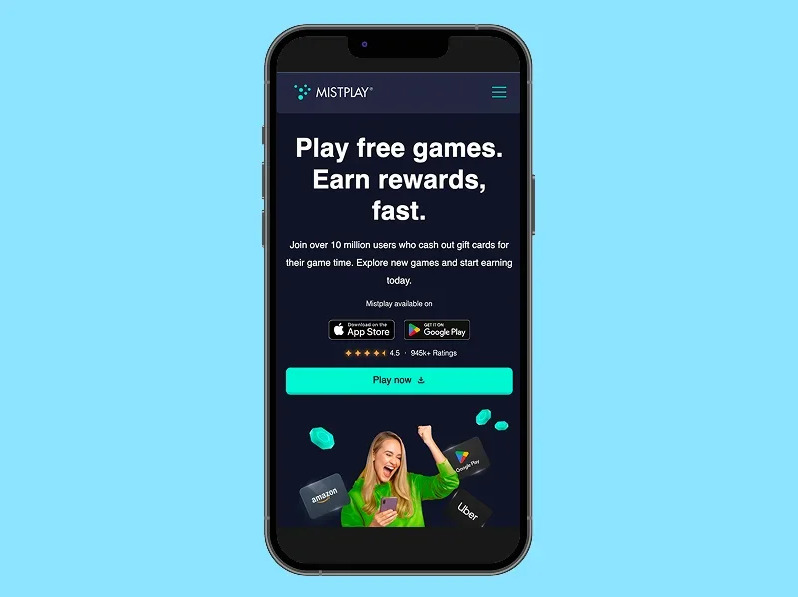
Mistplay operates as an established loyalty network designed specifically for Android mobile gamers. The application recommends an assortment of curated titles based on user preferences, tracking gameplay duration and in-game milestone achievements to distribute platform loyalty units.
Accumulated units can be converted into gift cards for major retail networks, including Amazon, Google Play, and Starbucks. The platform utilizes a tiered leveling structure where long-term engagement unlocks higher multiplier rates for completed challenges.
The service provides an expansive catalog spanning hundreds of diverse mobile genres with accessible minimum redemption thresholds and an interface tailored for casual participants. Because the ecosystem is currently limited to Android devices and individual game unit generation slows as playtime accumulates on a single title, users achieve the highest progression efficiency by rotating to freshly featured catalog titles each week to capitalize on introductory boost multipliers.
3. Axie Infinity: Origins
- Our score: 9.3/10
- Year of release: 2022
- Creator/s: Sky Mavis
- Average playtime: ~10-20 min per match
- Best for: Competitive esports players who enjoy deep deck-building, positioning strategy, and ranked tournament ladders
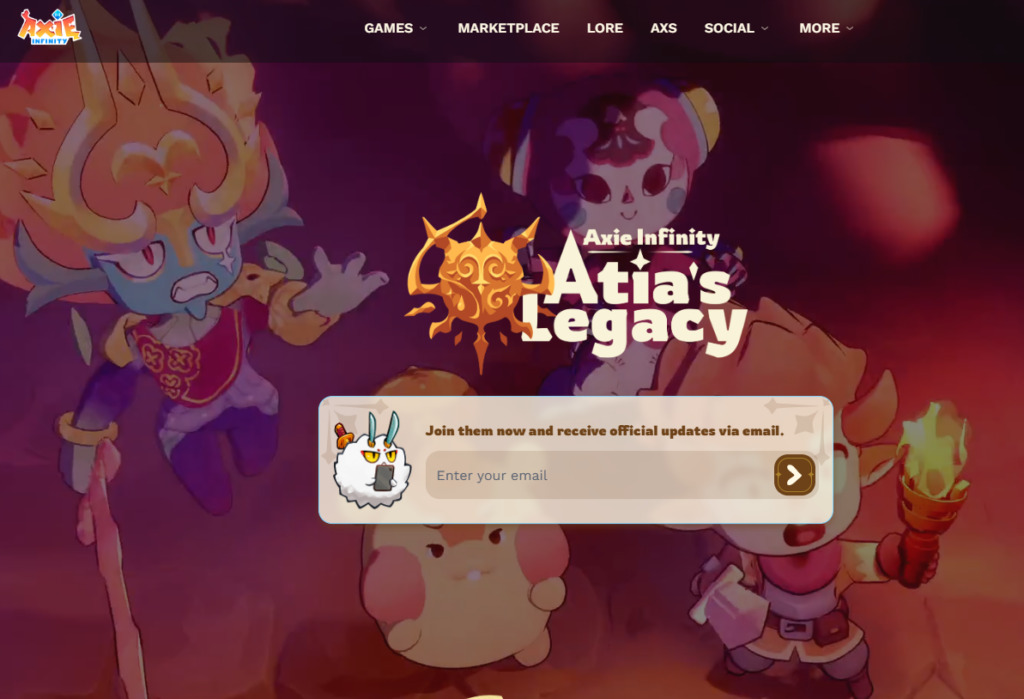
Axie Infinity: Origins delivers a fully reimagined tactical turn-based card battler, refined specifically for mobile screens on iOS and Android through the high-speed Ronin sidechain network. Players assemble a team of three unique creatures, custom-tailoring their combat decks with interchangeable cards and equipping runes and charms for passive synergies.
The game has successfully transitioned from speculative farming toward competitive esports balance. Regular balance patches, seasonal rank resets, and international tournament circuits ensure the competitive meta stays vibrant and challenging for dedicated tacticians.
The game excels through deep strategic synergies, smooth performance on the dedicated Ronin network, and an active competitive tournament ecosystem. Mastering card combos and positioning demands practice and tactical awareness. Competitors should pay close attention to turn-order priority during battle, as deploying defensive secret cards early in a turn can completely disrupt an opponent’s planned offensive sequences.
4. Swagbucks
- Our score: 8.8/10
- Year of release: 2008
- Creator/s: Prodege, LLC
- Average playtime: ~20-45 min across tasks
- Best for: Multi-taskers who want to combine mobile game milestone completions with daily surveys and web offers
Swagbucks is an industry veteran in the consumer rewards space, providing members with points (called SB) for completing game milestones, answering market surveys, and trying out newly released mobile applications.
The platform partners directly with mobile studios to offer tiered point packages tied to in-game objectives, such as reaching a specific headquarters level or completing designated campaign chapters within thirty days.
Its platform strength stems from decades of operational reliability and a massive selection of retail gift card redemptions across diverse everyday activities. Because achieving high-tier milestone requirements demands focused daily time investment within strict promotional windows, players should prioritize offers featuring tiered milestone checkpoints, securing partial point allotments as they advance even if the final objective is not reached.
5. Gods Unchained
- Our score: 9.4/10
- Year of release: 2024 (Mobile Global Launch)
- Creator/s: Immutable Games
- Average playtime: ~7-15 min per battle
- Best for: Fans of traditional digital trading card games wanting verified asset custody and high-level tactical matchups
Led by veteran designers from mainstream trading card games, Gods Unchained brings deep, uncompromised competitive card strategy to handheld screens via Immutable X. Players construct thirty-card decks aligned with one of six gods, engaging in tactical duels where card synergy, resource management, and tempo control dictate the outcome.
The mobile client offers full cross-platform play with desktop users and lag-free card actions via Immutable X. Players own every card they craft or unlock, mirroring the authentic ownership experience of physical trading card games.
The title delivers true competitive integrity where personal tactical execution outweighs pure collection size, complemented by full cross-play between mobile and desktop devices. Climbing ranked divisions requires a solid understanding of meta matchups and card synergies. In early-game turns, players should focus on trading low-cost creatures efficiently to secure board control before transitioning into high-cost late-game finishers.
6. Freecash
- Our score: 9.1/10
- Year of release: 2020
- Creator/s: Almedia GmbH
- Average playtime: ~15-40 min per task session
- Best for: Milestone hunters who value fast point verification and competitive daily leaderboards
Freecash provides a streamlined portal where smartphone users earn reward coins by testing gaming applications, completing level achievements, and testing beta features for software teams.
The platform is known for its fast reward processing and responsive interface, featuring real-time community leaderboards that offer daily point multipliers to top-ranked active users.
The system is praised for its quick task verification speeds, low redemption floors, and open community leaderboards. Higher reward brackets typically require substantial in-game milestone progress. Before installing any promoted game, users should carefully verify account requirements to confirm they have never previously registered with that game studio on the same device.
7. Sunflower Land

- Our score: 9.2/10
- Year of release: 2022
- Creator/s: Thought Farm Pty Ltd
- Average playtime: ~5-15 min per check-in
- Best for: Casual simulation players who enjoy cozy farming, crafting progression, and community market loops
Sunflower Land provides a peaceful, charming farming experience on the Polygon network, offering a relaxing alternative to intense combat titles through colorful pixel-art graphics and satisfying crafting loops. Players start with a modest island plot, tilling soil, planting crops, chopping wood, and expanding their homestead.
The game’s economy is grounded in craftable utility. Harvested goods are used to bake food, forge tools, and build specialized facilities like bakeries, delis, and barns. Everything crafted is permanently recorded to the player’s account, creating a rewarding progression loop that honors long-term dedication.
The game stands out for its relaxing pace, responsive development team, and friendly community culture free from aggressive monetization pressure. Advancement is intentionally gradual and favors steady daily attention. New farmers should conserve rare wood reserves to upgrade the main workbench early, as unlocking advanced tools dramatically accelerates island expansion.
8. InboxDollars
- Our score: 8.7/10
- Year of release: 2000
- Creator/s: Prodege, LLC
- Average playtime: ~10-25 min per session
- Best for: Casual players who prefer direct currency balances and classic arcade minigames without conversion math
InboxDollars provides mobile gamers with an easy avenue to earn brand gift cards and account credits by playing casual arcade games, completing consumer surveys, and trying out newly launched mobile titles.
Its clean layout and straightforward task tracking make it a steady option for casual players who want to turn casual waiting room breaks into productive mini-sessions.
The primary benefit is a direct balance display that avoids complex point calculations, alongside an accessible collection of classic arcade minigames. Reaching the initial account redemption threshold takes consistent activity. Players can reach redemption goals faster by maintaining consecutive daily login streaks alongside their regular gaming activities.
9. Illuvium
- Our score: 9.5/10
- Year of release: 2024
- Creator/s: Illuvium Labs
- Average playtime: ~15-30 min per session
- Best for: Enthusiasts seeking console-grade 3D graphics, deep alien world lore, and auto-battler tactical squads
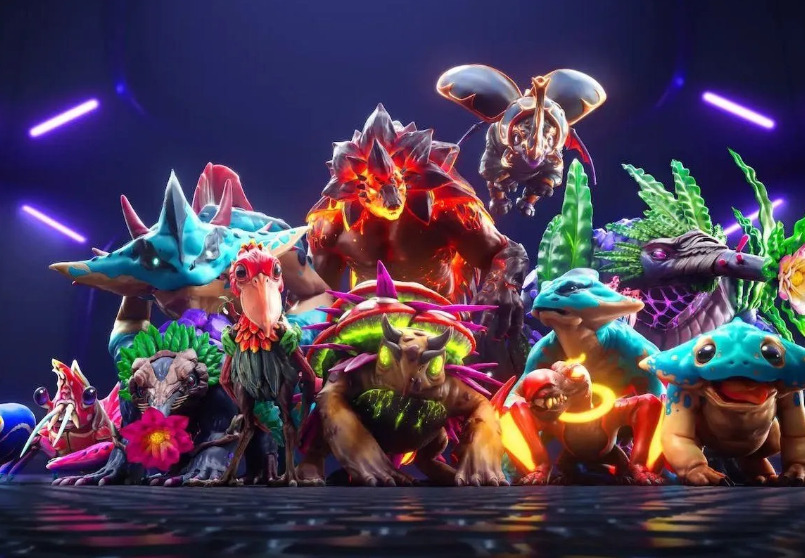
Illuvium delivers console-grade visual fidelity to decentralized gaming through Unreal Engine and Immutable X. The universe spans interconnected game clients, including the open-world monster-hunting adventure Overworld, the competitive strategic arena Arena, and the mobile resource-management simulator Illuvium Zero.
Players explore alien landscapes, track formidable wild creatures, and engage them in tactical combat to add them to their roster. Captured beasts are trained, merged into stronger forms, and deployed in auto-battler matches where tactical team placement and elemental synergies determine the winner.
The title delivers stunning visual presentation, detailed character models, and zero transaction fees for inventory updates on Immutable X. Because the visual fidelity demands a modern smartphone with capable processing power, players must ensure their hardware is up to date. On the tactical board, positioning high-durability defensive creatures on frontline tiles allows your team to absorb initial burst damage while backline damage dealers build up energy to activate their primary abilities.
10. QuickRewards

- Our score: 8.6/10
- Year of release: 2002
- Creator/s: QuickRewards Network
- Average playtime: ~5-15 min per trivia round
- Best for: Trivia buffs and puzzle solvers who want near-instant redemptions with virtually no minimum balance threshold
QuickRewards stands out among reward platforms for its long history and ultra-low payout threshold, allowing members to redeem gift cards with virtually no waiting time.
The service hosts a diverse assortment of casual trivia games, daily word puzzles, and match minigames, making it an accessible choice for puzzle lovers looking for light, rewarding entertainment.
The platform distinguishes itself through an ultra-low threshold starting at a single cent, supported by a diverse array of daily puzzles and reliable customer support. Individual puzzle rewards are modest, making the platform best suited for casual breaks rather than intense milestone grinding. Engaging with consecutive daily trivia questions is the best way to activate multiplier streaks that enhance overall credit accumulation.
Rewarding Mobile Platforms: Quick Comparison Breakdown
To help evaluate which format best matches your gaming habits, the table below compares each title across core criteria:
| Game / Platform | Primary Platform | Asset Ownership Model | Primary Gameplay Style | Minimum Entry Barrier |
| Duck My Duck | Mobile (Telegram) | On-Chain Digital Assets | Social Idle Simulator & Raids | Zero (Instant Launch) |
| Mistplay | Android Mobile | Platform Loyalty Points | Curated Mobile Testing | Zero (Free Download) |
| Axie Infinity: Origins | iOS / Android / PC | On-Chain Digital Assets | Tactical Turn-Based Card Battler | Low (Free Starter Team) |
| Swagbucks | iOS / Android / Web | Retail Gift Card Credits | Multi-Task Milestone Clearing | Zero (Free Account) |
| Gods Unchained | iOS / Android / PC | On-Chain Digital Assets | Competitive Trading Card Game | Zero (Free Core Decks) |
| Freecash | Android / Web | Platform Reward Coins | Game Testing & Quest Milestones | Zero (Free Account) |
| Sunflower Land | Mobile Web / PC | On-Chain Digital Assets | Cozy Farming & Crafting Sim | Low (Account Activation) |
| InboxDollars | iOS / Android / Web | Merchant Reward Credits | Casual Arcade & Surveys | Zero (Free Account) |
| Illuvium | PC / Mobile Companion | On-Chain Digital Assets | Open-World RPG & Auto-Battler | Medium (Hardware Demands) |
| QuickRewards | Mobile Web / PC | Retail Shopping Vouchers | Daily Trivia & Match-3 Minigames | Zero (Free Account) |
How to Evaluate a Tokenized Game Before Downloading
Not every rewarding game provides equal long-term enjoyment. Discerning gamers evaluate three structural pillars to identify sustainable, high-quality projects built for the long haul.
Sustainable In-Game Resource Utility
A resilient tokenized game prioritizes organic in-game asset utility over short-term speculation. Look closely for integrated resource sinks that require players to expend game elements during normal play:
- Routine equipment repair, refinement, and item fusion mechanics.
- Tournament entry requirements and competitive guild league dues.
- Consuming items to craft custom cosmetic skins, home bases, or guild banners.
When items serve practical purposes that enhance gameplay, the in-game ecosystem remains healthy and stable over the long term.
Community Strength and Guild Dynamics
Brilliant graphics and distributed networks cannot salvage a title if the underlying mechanics are shallow. The finest games cultivate strategic diversity, balance updates, cooperative guild raids, and an active community culture. Striking a balance between intense active sessions and passive growth is equally vital: many top titles integrate systems inspired by classic idle games, allowing players to maintain continuous progress even when demanding work schedules prevent long gaming marathons.
Transparency and Account Security Protocols
A high-performance mobile gaming experience depends heavily on speed and low latency. The underlying network must support rapid gameplay: leading titles utilize blazing-fast rails like TON, Ronin, Polygon, and Solana. On these high-performance networks, asset confirmations happen in fractions of a second with unnoticeable fees, ensuring that managing your digital collection feels completely effortless.
Advantages and Limitations of Modern Mobile Monetization
Evaluating modern reward systems requires a clear view of both their core strengths and practical limitations.
Key Benefits for Dedicated Players
- True Asset Custody: In-game characters, skins, and artifacts reside in personal wallets rather than closed publisher servers.
- Transparent Game Mechanics: Public smart contracts prevent covert changes to item drop rates and tournament prizes.
- Tangible Time Recognition: Effort invested in leveling squads and completing raids yields durable digital collectibles that persist across seasons.
- Active Community Voice: Governance tokens enable dedicated players to vote on game balance updates and seasonal roadmaps.
Important Considerations and Time Requirements
- Time-Intensive Milestones: High-tier tournament rankings and specialized crafting recipes demand consistent dedication and strategic planning.
- Evolving Competitive Metas: Regular balance updates require players to adapt character builds and team compositions over time.
- Ecosystem Learning Curve: While onboarding is much smoother today, players still need a basic familiarity with mobile wallet security.
Why Messaging Platforms and Mini Apps Are Leading the Shift
The explosive growth of portable Web3 entertainment is closely tied to messaging platforms. Rather than competing for visibility in saturated mobile application storefronts, developers are launching lightweight clients inside communication hubs like Telegram.
By deploying responsive telegram mini apps, studios eliminate traditional onboarding hurdles. Gamers launch titles with a single tap, invite friends through existing contacts, and coordinate guild activities directly inside squad chat rooms. Combined with rapid networks like TON, this social-first approach makes decentralized gaming as effortless and accessible as sending a text message.
Frequently Asked Questions (FAQ)
What is a tokenized game?
A tokenized game is an interactive title where virtual characters, equipment, and items are recorded directly onto open, distributed networks. Unlike traditional smartphone games where assets are locked inside closed company databases, players hold their digital items in personal wallets, giving them independent control and verifiable ownership.
How do modern titles reward active players without hidden paywalls?
Modern titles employ Play-to-Own models and structured tournament formats. Instead of locking progress behind mandatory payment gates, games reward active participation with crafting materials, exclusive cosmetic accessories, and digital collectibles for conquering dungeons, completing daily missions, and climbing seasonal leaderboards.
Can mobile players preserve their digital collectibles across seasons?
Yes. Because in-game assets are tied directly to your independent personal address rather than a proprietary studio server, items remain in your wallet permanently. Players retain their rare characters, cosmetic skins, and trophies across seasonal resets, sequels, and interconnected ecosystem titles.
What hardware is required to play reward-based mobile titles?
Most modern rewarding mobile titles, especially those built as messaging mini-applications, are lightweight and run smoothly on everyday iOS and Android smartphones at a steady 60 FPS without high battery drain. Only high-end 3D exploration titles require modern hardware.