Video games have evolved from simple entertainment into complex interactive economies where players invest hundreds of hours developing characters, completing challenges, and collecting rare gear. In traditional gaming models, these economies remain completely isolated. Players do not own the items or currencies they earn; everything is stored on private company servers. If a studio closes down, changes account rules, or shuts off multiplayer support, years of player effort disappear overnight.
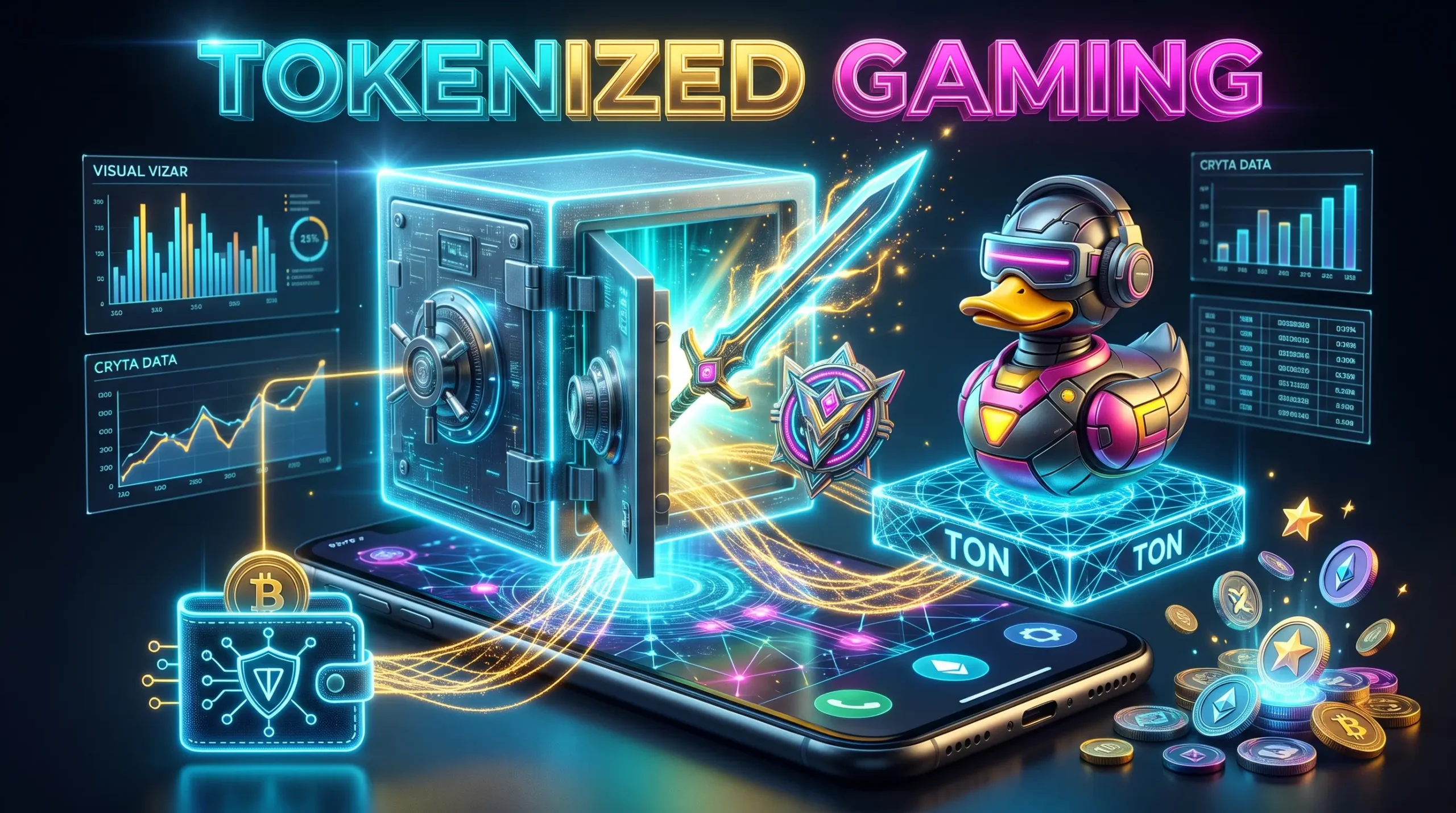
Tokenized gaming resolves this structural issue by bringing in-game items, characters, and currencies onto distributed digital networks. Through transparent smart contracts and decentralized infrastructure, virtual items transform into verifiable, sovereign digital assets that players hold in their own wallets. This shift from closed corporate databases to open, player-owned ecosystems aligns developer growth with player loyalty, creating a transparent foundation for the next generation of mobile entertainment.
What Is Tokenized Gaming: Mechanics, Digital Assets, and Player Ownership
Tokenized gaming is the integration of distributed ledger protocols and cryptographic digital tokens into the core architecture of a video game. In standard mobile and PC games, an epic sword, a character skin, or an account badge exists merely as a database entry on a developer’s private server. Players buy a temporary, revocable license to interact with that item inside that single app.
In a tokenized game, virtual items are minted as sovereign digital assets on open networks. Because these items live directly inside a player’s independent digital wallet rather than on an isolated server, the player retains full custody over their achievements.
The entire history, provenance, and scarcity of each item can be independently verified on-chain. This structural transparency prevents publishers from secretly inflating the supply of rare items or altering drop rates without community consensus. For developers and players alike, it turns interactive time into lasting utility where in-game progression remains under the player’s direct control.
How Tokenized Gaming Works
The engine powering tokenized gaming relies on smart contracts: self-executing software programs deployed on public networks that manage the creation, upgrading, and transfer of digital game assets.
- Asset Minting and Provenance: When a player clears a seasonal quest, hatches an egg, or crafts new gear, a smart contract mints the corresponding asset with predetermined rarity parameters and writes it immutably to the network.
- Wallet Authentication: Instead of managing fragile usernames and passwords across dozens of different game portals, players connect a secure self-custody wallet. The game client reads the wallet address, identifies the digital collectibles held within it, and immediately renders the appropriate characters, stats, and cosmetics inside the game environment.
- Open Settlement: When a player decides to upgrade, trade, or transfer an item, the action executes as a transparent network transaction. The ledger updates the owner record instantly, eliminating the need for custodial middlemen or closed corporate approval desks.
This architecture creates a seamless bridge between local mobile game engines (handling touch inputs, physics, and graphics) and decentralized networks (handling asset custody and rule execution).
Types of Gaming Tokens
Tokenized game economies generally structure their internal systems around two distinct categories of digital assets:
Unique Digital Collectibles
These assets represent specific, individual items within the virtual world: custom characters, rare weapons, unique pet variants, and seasonal tournament badges. Each collectible carries an immutable identifier and individual metadata that records its level, combat statistics, lineage, and visual attributes. Because each unit is distinct, developers can enforce genuine, mathematically verifiable scarcity across game seasons.
Fungible In-Game Utility Currencies
Fungible tokens are interchangeable units of account with uniform value, functioning as the primary medium of exchange inside the game world. Players utilize these utility tokens to fund character upgrades, pay crafting fees, speed up construction timers, and unlock competitive tournament brackets.
In addition to day-to-day gameplay loops, utility assets often grant platform governance rights. By holding and staking native tokens, active community members can vote on upcoming game features, seasonal balancing patches, and community prize distributions.
Key Benefits for Players and Developers
Moving away from closed corporate gardens delivers mutual advantages across the entire gaming ecosystem:
| Dimension | Traditional Gaming Framework | Tokenized Gaming Ecosystem |
| Asset Authority | Owned and controlled entirely by game publishers | Cryptographically secured in player self-custody wallets |
| Inventory Portability | Trapped permanently inside a single title | Compatible with secondary marketplaces and community apps |
| Secondary Transfers | Prohibited under terms of service; risk of account ban | Supported natively on transparent decentralized platforms |
| Community Alignment | Extractive model: players spend without lasting ownership | Collaborative model: active players share in ecosystem growth |
| Studio Revenue Streams | Dependent on continuous upfront sales and intrusive ads | Continuous smart contract creator royalties on open trades |
For players, the time dedicated to leveling heroes and collecting rare loot results in tangible digital assets that cannot be revoked. For developers, building open economies dramatically lowers user acquisition costs: players naturally advocate for and support virtual worlds where their dedication is respected and permanently recorded.
The Role of Duck My Duck in Modern Mobile Gaming
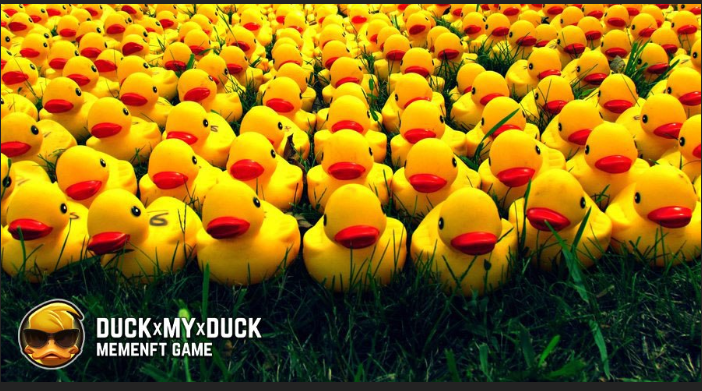
While early tokenized games often suffered from steep technical friction, requiring complex PC software and desktop browser extensions, Duck My Duck brings accessible tokenized mechanics directly to mainstream mobile audiences. Operating on the high-speed infrastructure of The Open Network (TON), the title unites over 6 million registered users worldwide.
The game eliminates setup barriers by running seamlessly inside telegram mini apps. Players launch the application in seconds without multi-gigabyte installations, complex wallet setups, or device storage constraints.
Breeding Loops, Offline Idle Engines, and Packs
At the foundation of Duck My Duck is a multi-tier character evolution system:
- Breeding and Rarity Trees: Players hatch, raise, and cross-breed digital ducks to unlock unique production stats, stamina attributes, and distinct visual skins.
- Passive Idle Progression: Applying mechanics proven in classic idle games, your characters continue gathering experience and in-game resources even when the game is closed, allowing players to advance their profiles during busy daily routines.
- Cooperative Squad Raids: Through the Packs system, solo players unite into coordinated clans to battle multi-phase raid bosses, pool community resources, and share in seasonal leaderboard rewards.
The $DMD Utility Token and 2027 Mobile Expansion
The native $DMD token powers the entire ecosystem, coordinating hero upgrades, squad tournament entries, and community governance voting.
While Duck My Duck currently runs at a fluid 60 FPS directly within messaging interfaces, the team is executing on a broader technical roadmap: dedicated standalone mobile applications for Apple (iOS) and Android devices are scheduled to launch in 2027. This upcoming release will bring custom tactile haptics, expanded native performance, and custom touch controls directly to major mobile app stores while preserving full player custody.
The Future of Player-Owned Economies
Tokenized gaming represents a permanent evolution in interactive entertainment. By replacing closed proprietary databases with open public ledgers, the industry is transitioning toward player-centric systems where gamers hold genuine sovereignty over their digital achievements.
As distributed networks continue to scale and zero-install mobile interfaces expand, the technical boundaries between casual gaming and digital ownership will disappear completely. Players will no longer need to choose between polished, entertaining gameplay and true asset custody; platforms that seamlessly integrate both will define the future of digital play.
FAQ
What is the difference between traditional in-game items and tokenized digital assets?
Traditional in-game items are entries in a studio’s private database that can be modified, restricted, or deleted at any time. Tokenized digital assets are minted directly to public decentralized networks and held in a player’s independent self-custody wallet, guaranteeing permanent custody and portability across external platforms.
Do players need to make upfront deposits to join tokenized mobile games?
No. High-quality tokenized titles like Duck My Duck feature complete, functional free-to-play loops. Players start playing immediately, level up characters, and collect digital assets through regular gameplay, daily activity streaks, and community squad raids without mandatory purchases or initial deposit fees.
How does Duck My Duck protect player asset security on mobile devices?
Duck My Duck operates inside isolated, sandboxed environments within Telegram and connects directly with verified self-custody mobile wallets on The Open Network. Private keys and recovery seed phrases remain stored securely on the player’s personal device, and every transaction requires explicit manual authorization via biometric face scan, fingerprint, or passcode.