Ask ten gamers whether you can make a living playing video games, and you will get ten wildly different answers. Some point to arena champions lifting seven-figure trophies; others argue it is impossible unless you already have a million subscribers. Both extremes miss how the industry actually works today.
With over three billion people playing globally, gaming has evolved far beyond casual weekend entertainment. Today, value flows through a massive network of livestreams, user-generated marketplaces, community guilds, and mobile social platforms. Very few people build a career by simply sitting on a couch and grinding single-player campaigns without a plan. Those who succeed treat gaming like a craft: they pair solid gameplay with community leadership, content production, or smart participation in open mobile ecosystems like Duck My Duck.
Instead of one narrow corporate ladder, modern gaming offers multiple distinct tracks depending on whether you prefer competitive mechanics, social coordination, or creative design.
Real Ways Players Build Careers and Long-Term Value in Gaming
Different paths demand completely different skills, time commitments, and setups. Below is a clear look at ten practical avenues players use to turn gaming into a sustainable venture, starting with the fastest-growing shift in mobile ecosystems.
Building Long-Term Value in Decentralized Mobile Ecosystems Like Duck My Duck
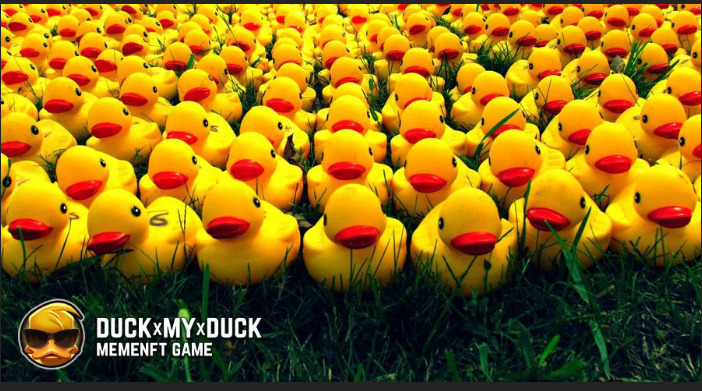
Traditional mobile games operate on a one-way street: you invest hundreds of hours leveling up characters and collecting rare items, yet everything stays locked inside a publisher’s private database. If a server shuts down or rules change overnight, your progress vanishes.
Social mobile titles on The Open Network (TON), led by Duck My Duck, flip that model by giving players verifiable custody over their digital collectibles and utility assets. Uniting over 6 million registered users, the game runs directly inside telegram mini apps, meaning zero multi-gigabyte downloads, zero storage bottlenecks, and instant access from any smartphone.
Rather than relying on mindless clicking, players build lasting ecosystem value through three interconnected mechanics:
- Strategic Breeding and Roster Optimization: Players hatch, raise, and cross-breed distinct digital ducks across multiple rarity tiers. Each character carries unique production attributes, stamina stats, and visual cosmetics, rewarding long-term roster planning.
- Automated Offline Progression: Drawing on proven systems from classic idle games, your ducks continue gathering resources even when the app is closed. Busy creators and guild leaders can maintain top rankings without staying glued to their screens all day.
- Cooperative Packs and Squad Leadership: Through the Packs system, ambitious players recruit teammates, coordinate multi-phase raid boss strikes, and manage active Telegram communities. Leading a high-ranking Pack builds immediate authority in the TON ecosystem, opening doors to content creation, community management, and governance participation via the native $DMD utility token.
With dedicated standalone mobile applications for Apple (iOS) and Android scheduled to launch in 2027, players who build strong rosters and active squads today position themselves early in a rapidly expanding mobile ecosystem.
Live Streaming and Video Content Creation
Broadcasting live sessions on Twitch, YouTube Gaming, or Kick remains one of the most popular routes for charismatic gamers. Rather than relying on a single platform, smart streamers repurpose their best broadcast moments into short-form clips for YouTube Shorts and TikTok to drive continuous discovery.
Successful creators typically layer multiple channels together:
- Ad Revenue and Viewer Subscriptions: Generating steady support through platform partner programs, monthly channel memberships, and live viewer tips.
- Targeted Brand Integrations: Partnering with peripheral makers, game studios, and software tools that match the channel’s specific game genre.
- Evergreen Video Guides: Publishing edited tutorials, patch breakdowns, and challenge runs that continue attracting search traffic long after the livestream ends.
The key to standing out in 2026 is specialization. Streaming oversaturated shooters without commentary rarely attracts viewers anymore, whereas focused educational or entertaining niches build loyal communities over time.
Competitive Esports Tournaments and Ranked Leagues
For players with elite reaction times and deep tactical mastery, competitive esports offers structured career opportunities. Major franchises feature global circuits with salaried team rosters, travel stipends, and substantial prize pools.
Notable competitive ecosystems where players build professional careers include:
- Tactical Shooters and MOBAs: Global circuits across Counter-Strike 2, Valorant, League of Legends, and Dota 2.
- Battle Royale and Arena Titles: High-stakes seasonal championships in Fortnite, Apex Legends, and Rocket League.
- Mobile and Card Esports: Fast-growing competitive ladders in Brawl Stars, Clash Royale, and strategic deck battlers.
Breaking into esports requires treating practice like an athletic discipline: analyzing match replays, studying frame data, scrimmaging with coordinated rosters, and climbing regional leaderboards to catch the attention of team scouts. Many top pros also build personal brands during their peak tournament years to transition smoothly into coaching or broadcast analysis later on.
Independent Game Development and Asset Design
If you understand what makes game mechanics engaging, transitioning from player to creator offers immense long-term potential. Accessible engines allow solo developers and small indie teams to build and publish original titles without relying on massive publishing houses.
Depending on your technical background, there are several practical entry points:
- Full Indie Releases: Building original games in Unity, Unreal Engine, or Godot and distributing them directly via Steam, itch.io, or mobile app stores.
- User-Generated Content (UGC) Worlds: Designing custom game modes, tycoon maps, and social hubs inside Roblox or Fortnite Creative, where millions of active players already gather.
- Modular Digital Assets: Creating custom 3D models, voxel environments, UI kits, and sound packs for developer marketplaces, generating ongoing value every time another studio licenses your work.
Quality Assurance, Beta Testing, and Game Reviews
Every studio needs reliable feedback before launching major updates, seasonal patches, or brand-new titles. Quality assurance (QA) testers systematically stress-test early game builds, replicate edge-case glitches, document clear bug reports, and evaluate user interface responsiveness across different hardware setups.
On the media side, reviewers who publish honest, structured critiques build trusted audiences. Players rely on independent voices before investing their time into new releases:
- Video Critique Channels: Detailed first-impression breakdowns, performance benchmarks, and long-term review essays on YouTube.
- Editorial Gaming Blogs: Written reviews, tier lists, and hardware guides optimized for search engines.
- Closed Studio Playtests: Joining structured pre-release testing cohorts to give direct UX feedback to development teams.
Gameplay Coaching and Strategy Consulting
Millions of casual and mid-tier players actively seek structured help to improve their win rates, master complex mechanics, or break through ranked plateaus. If you consistently rank in the top tier of a popular title, you can package that expertise into a dedicated service.
Experienced coaches structure their offerings in three primary ways:
- Live 1-on-1 Coaching Calls: Real-time screen-sharing sessions focused on crosshair placement, resource rotations, or deck building.
- Detailed VOD Replay Reviews: Annotated video breakdowns highlighting positioning mistakes and missed tactical opportunities from a student’s past matches.
- Structured Video Courses and Playbooks: Pre-recorded training modules and written meta guides that players can study at their own pace.
Gaming Merchandise and Community Brand Building
Once a gamer, streamer, or guild leader establishes a recognizable identity, custom merchandise becomes a natural extension of their brand. Modern print-on-demand fulfillment services remove the financial risk of holding physical inventory upfront.
Rather than slapping a generic logo onto a plain shirt, top creators collaborate with digital illustrators to launch items fans genuinely want in their setups:
- Custom Desk Accessories: Oversized mousepads, artisan keycaps, and acrylic character standees.
- Subtle Streetwear: Embroidered hoodies, heavyweight tees, and caps featuring community inside jokes or mascot art.
- Digital Creator Packs: Custom stream overlays, Discord sticker sets, and wallpaper bundles for community supporters.
Affiliate Partnerships and Creator Sponsorships
Affiliate marketing allows gaming bloggers, video creators, and social media curators to partner with hardware brands and digital platforms. By sharing authentic reviews and tutorial links, creators earn commissions whenever their audience purchases recommended gear or signs up for featured services.
Common partnership categories in the gaming space include:
- PC Peripherals and Audio: Mechanical keyboards, lightweight wireless mice, studio microphones, and headsets.
- Ergonomic Setup Gear: Adjustable standing desks, posture chairs, and monitor light bars.
- Digital Platforms and Tools: VPN services, voice chat utilities, cloud gaming subscriptions, and mobile gaming hubs.
Maintaining credibility is crucial here: audiences quickly spot forced promotions, so top creators only recommend products they genuinely use.
Gaming Podcasts and Niche Editorial Media
Audio and long-form written content continue to thrive among dedicated gaming fans who want deeper analysis during daily commutes, workouts, or work breaks. Hosting a weekly show or maintaining a focused publication helps establish genuine authority in a specific genre.
Popular formats that attract loyal subscribers and targeted sponsors include:
- Industry and Patch Roundtables: Weekly discussions breaking down developer updates, esports transfers, and market trends.
- Lore and Storytelling Deep Dives: Narrative-focused episodes exploring world-building, hidden Easter eggs, and character arcs.
- Niche Ecosystem Newsletters: Written Substack dispatches or specialized blogs covering indie spotlights, mobile strategy guides, and Web3 gaming updates.
Community Management and Guild Leadership
Large multiplayer games, esports organizations, and Web3 gaming ecosystems rely heavily on skilled community managers to keep Discord servers and Telegram channels active, welcoming, and well-organized. Managing thousands of passionate players requires clear communication, event planning, and conflict resolution skills.
Day-to-day responsibilities in paid community and guild leadership roles often cover:
- Server Architecture and Moderation: Setting up automated onboarding bots, organizing channel structures, and keeping discussions constructive.
- Community Events and Tournaments: Hosting weekly trivia nights, bracketed community cups, and seasonal AMA sessions with developers.
- Guild Roster Coordination: Recruiting active players, managing shared guild treasuries, and negotiating cross-community alliances in decentralized games.
How Duck My Duck Empowers Modern Gamers and Squad Leaders
Beyond individual gameplay, Duck My Duck provides a complete social infrastructure designed for creators, strategists, and guild organizers:
- Zero-Barrier Mobile Onboarding: Because the title operates smoothly at 60 FPS inside Telegram, content creators and squad leaders can invite new members with a single link, bypassing app store friction and hardware compatibility hurdles.
- Collaborative Raid Coordination: Organizing synchronized squad strikes against multi-phase raid bosses rewards communication, tactical timing, and community leadership, turning casual players into recognized guild commanders.
- Creator-Friendly Content Loops: From breeding combination guides and stat optimization breakdowns to seasonal tournament recaps, the depth of the ecosystem gives video creators and bloggers endless topics to cover for an audience of over 6 million players.
- Native App Roadmap: As the platform expands from Telegram into dedicated iOS and Android applications in 2027, early community leaders and high-ranking players carry their established rosters and reputation directly into the next phase of growth.
Step-by-Step Roadmap: How to Start Building a Gaming Career
Turning gaming from a casual pastime into a sustainable venture requires a methodical approach rather than luck. Follow these four foundational steps to get started:
Define Your Gaming Niche and Join Active Squads in Duck My Duck
Avoid trying to cover every popular game at once. Pick one or two titles or genres where you genuinely enjoy spending hours analyzing mechanics. If you are focusing on mobile and social Web3 gaming, jump into Duck My Duck, join an active Pack, and learn the nuances of character breeding, raid timing, and resource optimization from experienced squad leaders.
Set Up Your Content Hub and Community Channels
Establish a central home base where your audience, teammates, or clients can find you. Depending on your strengths, this could be a dedicated YouTube channel for strategy breakdowns, a Telegram channel for squad coordination, or a clean niche blog publishing game guides and reviews. Consistency in branding and clear communication builds immediate credibility.
Grow Your Audience Through Live Gameplay and Tutorials
Focus on delivering practical value before expecting financial returns. Answer common player questions, share transparent patch analyses, host community raid sessions, and engage directly with commenters. Helpful, actionable content naturally attracts organic subscribers and builds lasting trust.
Diversify Your Creator Milestones and Ecosystem Partnerships
Never rely on a single platform or payout mechanism. As your community or skill level grows, layer complementary streams together: combine ad revenue or affiliate gear links with coaching sessions, guild leadership roles, and long-term ecosystem participation.
Key Gaming Industry Trends Shaping New Opportunities
Several major shifts across the gaming sector are expanding opportunities for players and creators in 2026:
- Instant Messaging Mini Apps: Lightweight games embedded directly inside Telegram have removed app store friction, allowing social titles to scale to millions of active users within weeks.
- Sovereign Digital Asset Custody: Players increasingly favor ecosystems where in-game collectibles and utility tokens reside in personal self-custody wallets rather than locked corporate servers.
- User-Generated Content (UGC) Economies: Major platforms are allocating larger revenue shares to independent creators who build custom maps, game modes, and cosmetic items.
- Mobile-First Competitive Play: High-refresh-rate smartphones and low-latency networks have turned mobile titles into serious hubs for tournament play and live content creation.
Frequently Asked Questions (FAQ)
Can you make a living playing video games without being an esports pro?
Yes. While top esports competitors represent a tiny fraction of the industry, many gamers build full-time careers through content creation, live streaming, gameplay coaching, independent game development, quality assurance testing, and leading large gaming communities or guilds.
How can players leverage Duck My Duck to build a community and grow in Web3 gaming?
Duck My Duck removes technical barriers by running directly inside Telegram with zero installation requirements. Players can start for free, build high-performing duck rosters, organize friends into cooperative Packs for raid bosses, and share strategy tutorials on Telegram or YouTube to establish themselves as trusted leaders in the TON gaming ecosystem.
What skills are essential to build a long-term career in the gaming industry?
Beyond solid in-game mechanics, long-term success depends on clear communication, consistency, basic video or written content production, community management, and adaptability. Understanding how game economies and audience engagement work is just as important as mechanical skill.
How much upfront investment is required to start creating gaming content?
Very little. Most successful creators and mobile gamers begin using the smartphone or PC they already own. Free broadcasting software, basic USB microphones, and zero-install mobile platforms like Duck My Duck allow you to start building skills and an audience without significant upfront expenses.