The digital entertainment landscape has shifted fundamentally, driven by public ledger technology, verifiable digital asset ownership, and decentralized user economies. Modern players are moving away from traditional closed databases where digital skins and virtual currencies remain bound to corporate terms of service. Today’s interactive ecosystems allow players to hold true ownership over their inventory, participate in community governance, and unlock multi-layered tokenized rewards through active gameplay.
This comprehensive guide evaluates top-tier Web 3 games across multiple genres. For developers and players wanting a deeper dive into the technical fundamentals, explore our complete guide on what is Web3 gaming. Below, we analyze their core mechanics, underlying network infrastructure, and economic models to help you navigate the evolving ecosystem effectively.
Comparison of the Best Web 3 Games
Selecting the right platform depends on your preferred playstyle, hardware setup, and time commitment. The comparison table below highlights key parameters across top Web 3 games in 2026.
| Platform Name | Primary Genre | Network / Blockchain | Core Gameplay Mechanic | Asset Ownership Type |
| Duck My Duck | Social Simulator | TON Network | Feeding, Breeding, Merging, Staking | On-Chain Digital Collectibles |
| Hamster Kombat | Tap Simulator | TON Network | Exchange Upgrades, Offline Farming | Tokenized Ecosystem Credits |
| Pixels | Social Farming | Ronin Network | Resource Gathering, Land Building | Digital Land & Craftables |
| Gods Unchained | Trading Card Game | Immutable X | Tactical Card Battles, Deck Building | Digital Trading Cards |
| Splinterlands | Strategy Card Game | Hive Network | Automated Battles, Deck Staking | Digital Cards & Tokens |
| Decentraland | Virtual World | Ethereum | Land Customization, Social Events | Digital Land & Wearables |
| The Sandbox | Voxel Metaverse | Ethereum | World Creation, Voxel Assets | Digital Land & Voxel Models |
| Gunz | Battle Royale | Dedicated Subnet | Cyberpunk Shooter, Gear Crafting | Digital Weapons & Skins |
| Illuvium | Open-World RPG | Immutable X / Ethereum | Creature Capture, Auto-Battler | Digital Creatures & Gear |
Top Web 3 Games Reviewed
The Web3 gaming sector spans multiple genres, ranging from lightweight messaging mini-apps to graphics-intensive AAA virtual worlds. Understanding each ecosystem requires examining its on-chain mechanics, tokenomics, hardware demands, and long-term asset utility. Below is an expanded breakdown of leading platforms across four core gaming categories.
Tokenized Simulators and Social Games
Social simulators and messenger-native applications have lowered entry barriers across tokenized games, bypassing browser extensions and complex wallet installations in favor of direct mobile access.
Duck My Duck: Features, Gameplay Loops, and TON Ecosystem
Duck My Duck is a premier social collectible game and virtual farm simulator operating inside Telegram on The Open Network (TON). By utilizing Telegram’s webview infrastructure, the project serves as a prime benchmark for how Telegram Mini Apps work and develop in 2026, giving players instant mobile onboarding without gas fee hurdles or third-party client downloads.
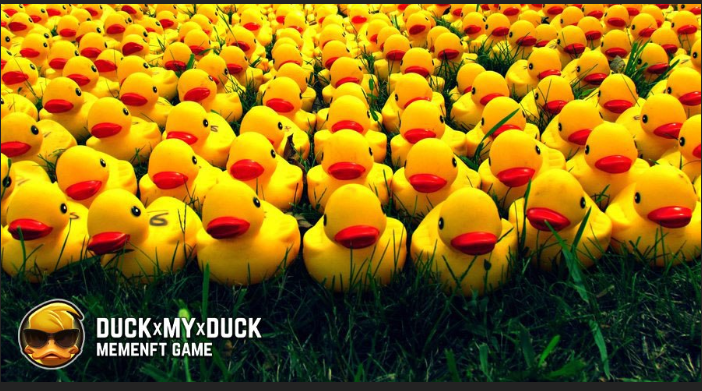
Duck My Duck stands out as a leading social digital collectible simulator operating natively as a Telegram Mini App on The Open Network (TON) blockchain. By running inside Telegram, the platform eliminates external application downloads, browser extension setups, and complex registration steps, enabling instant access for players on mobile and desktop devices.
Every new participant receives a complimentary COMMON digital duck collectible upon launching the miniapp, establishing a free-to-play entry model with zero capital requirements. The primary gameplay loop consists of four interconnected systems:
- Feeding: Players spend in-game corn to feed their digital ducks, accumulating $DMD tokens directly within their collectible profile. Feeding costs per tap scale dynamically during active sessions and reset every 8 hours, making short, strategic interactions optimal.
- Breeding: Players pair two digital ducks to produce love eggs with a chance of hatching a new digital duck collectible. Partnering with friends who own matching rarity tiers doubles the breeding success rate, encouraging direct social cooperation inside Telegram group chats.
- Merging: Players combine multiple max-level ducks into higher rarity tiers (4x COMMON to UNCOMMON, 5x UNCOMMON to RARE, 5x RARE to EPIC, and 4x EPIC to LEGENDARY). Higher rarity tiers yield exponentially higher $DMD accumulation rates per interaction, with LEGENDARY ducks producing up to 160 times more than COMMON units.
- Staking: Fully leveled digital ducks (level 5 with full feeding gauges) can be placed into automated staking pools. Staked ducks generate passive $DMD yield continuously around the clock without manual tapping, freeing up active slot capacity for new farming cycles.
In addition to farming mechanics, Duck My Duck features an active in-game marketplace where players manage digital duck collections using corn or Telegram Stars. Market prices adjust dynamically based on demand trends, adjusting by +15% after every sale and decreasing gradually during inactive periods, providing strategic engagement for active marketplace participants.
Hamster Kombat: Tap Mechanics and Exchange Simulation
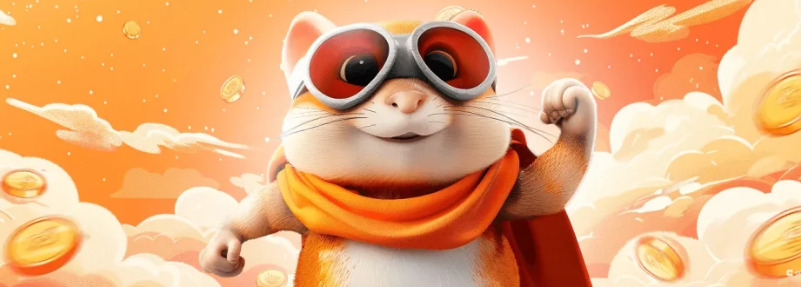
Hamster Kombat is a popular casual tap simulator integrated into the Telegram ecosystem and powered by the TON network. Players take on the role of a virtual exchange chief executive, tapping their screens to accumulate in-game credits and upgrading virtual operational departments.
The primary game loop focuses on strategic resource allocation. Credits earned from tapping are reinvested into upgrade cards that represent marketing campaigns, compliance licenses, and tech upgrades. These cards increase passive hourly earnings, allowing accounts to accumulate credits automatically for up to three hours offline.
Pixels: Social Farming and Land Ownership
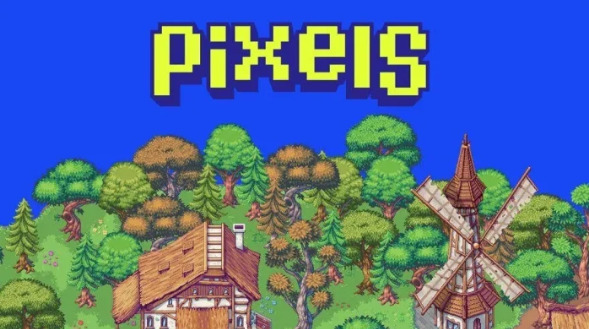
Pixels is a retro 16-bit open-world farming and crafting simulation running on the Ronin network. The platform offers a casual, social environment where players gather natural resources, plant crops, complete questlines, and customize virtual spaces.
Land in Pixels exists as verifiable digital assets that can be owned, developed, or rented to other players. Landowners build custom houses, craft stations, and specialized resource nodes, sharing harvest yields with active community members who work their plots.
Strategy and Collectible Card Games
Strategy card games leverage public ledgers to ensure true digital card scarcity, verifiable drop rates, and transparent deck management without relying on centralized game servers.
Gods Unchained: Tactical Card Battles
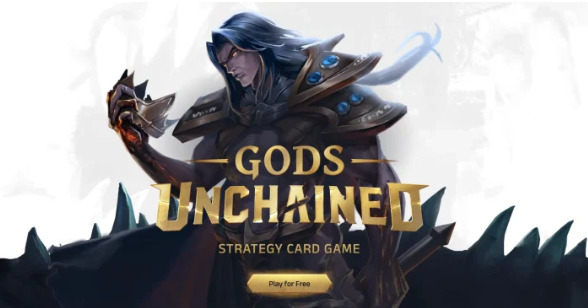
Gods Unchained is a tactical turn-based card game operating on Immutable X, a Layer-2 scaling network for Ethereum. Designed by former directors of traditional card franchises, Gods Unchained delivers competitive deck-building gameplay with zero gas fees for card transactions.
Players construct 30-card decks aligned with one of six elemental deities and compete in ranked head-to-head matches. Every card in a player’s collection exists as a digital asset that can be fused into higher quality variants or traded on open marketplaces using the native $GODS token.
Splinterlands: Deck Building and Arena Matches
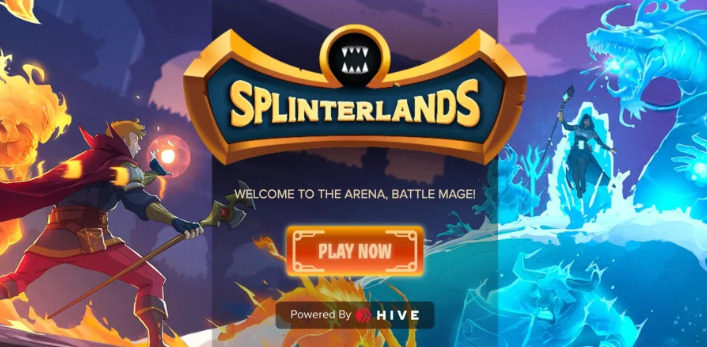
Splinterlands is a fast-paced automated card battle game operating on the Hive blockchain network. Matches take less than two minutes, requiring players to build strategic team lineups based on specific mana limits, elemental splinters, and match rule sets.
Once teams are submitted, the battle resolves automatically based on card stats and ability synergies. Players earn platform tokens and digital reward chests by winning ranked matches, completing daily quests, and participating in seasonal guild tournaments.
Metaverses and Virtual Worlds
Virtual world platforms provide open, persistent 3D environments where users own virtual land, construct custom digital experiences, and host virtual events.
Decentraland: Virtual Land and User-Built Spaces
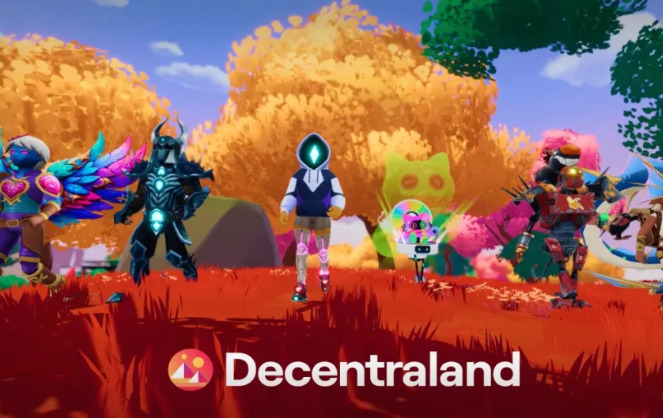
Decentraland is a 3D virtual world governed by a Decentralized Autonomous Organization (DAO) on the Ethereum network. The world is divided into individual land parcels where owners hold full creative control over their digital real estate.
Landowners use drag-and-drop builder interfaces or custom software scripts to build interactive games, art galleries, live concert venues, and corporate headquarters. The platform’s native MANA token fuels all parcel transactions, avatar cosmetics, and community governance polls.
The Sandbox: Voxel World Building and Digital Assets
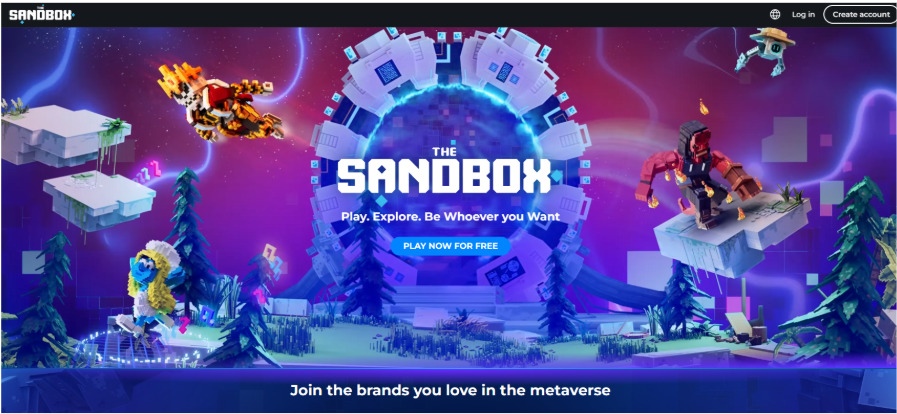
The Sandbox is a community-driven voxel metaverse platform where creators design, monetize, and play user-generated 3D experiences. Using the platform’s free VoxEdit and Game Maker tools, creators build 3D assets and interactive game scenes without writing code.
Virtual LAND parcels form the foundation of The Sandbox world map. Creators publish their interactive games on their LAND plots, charging admission tokens or offering digital collectible prizes to visiting players.
AAA Graphics and Action Titles
High-budget Web 3 titles combine traditional console-grade graphics with transparent digital item ownership, appealing to core gaming audiences.
Gunz: Cyberpunk Battle Royale Gameplay
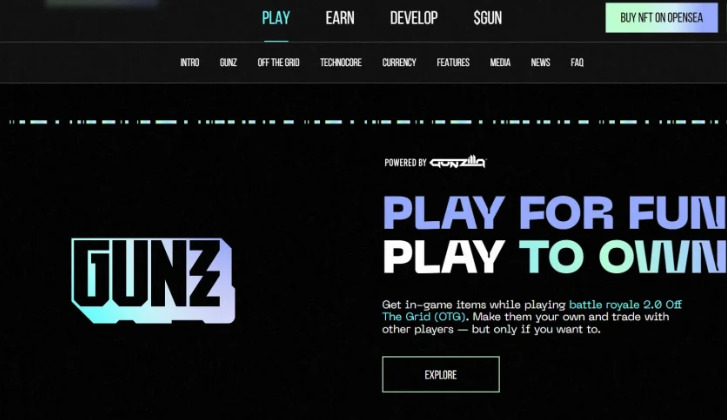
Gunz is a futuristic AAA battle royale shooter operating on a dedicated sub-network infrastructure. Set in a dystopian cyberpunk world, Gunz offers high-octane player-versus-player shooter combat combined with deep character customization.
Players acquire customized weapon builds, tactical gear, and character skins through active tournament placement and field achievements. Every piece of equipment exists as an on-chain digital asset, enabling high-tier competitive players to manage their combat gear transparently.
Illuvium: Open-World Exploration and Creature Collecting
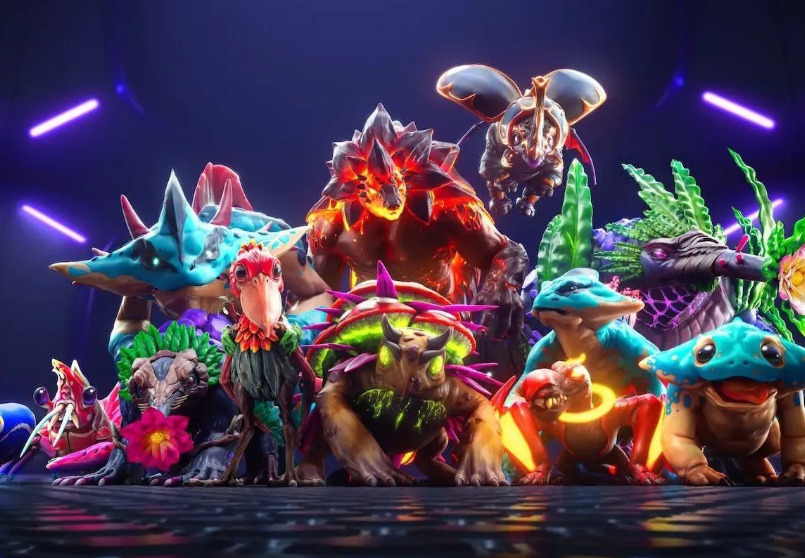
Illuvium is an open-world role-playing and auto-battler title built using Unreal Engine 5 on Immutable X and Ethereum. Players explore alien environments, tracking and capturing elemental creatures known as Illuvials.
Each Illuvial features unique elemental affinities, combat classes, and visual traits. Captured creatures can be deployed in strategic auto-battler arenas or merged into powerful ascendant forms. All creatures, weapons, and land plots remain under direct self-custodial ownership within user wallets.
What Are Web 3 Games and How Do They Work?
Understanding modern tokenized gaming requires looking at how distributed databases replace traditional centralized game architectures.
How Blockchain Technology Infrastructure Integrates with Gaming
Traditional games store player accounts, inventory items, and balance sheets on private corporate servers. If the developer shuts down the server, all player progress and virtual assets disappear permanently.
Web 3 games integrate public ledger networks into their backend systems. Smart contracts handle asset minting, item ownership verification, and staking reward distributions automatically. Because the ledger is decentralized, player inventory records remain permanent and accessible independent of any single game studio server.
Differences Between Traditional Web2 Games and Tokenized Web 3 Games
| Operational Feature | Traditional Web2 Games | Tokenized Web 3 Games |
| Asset Storage | Closed Studio Database | Public Decentralized Ledger |
| Player Ownership | Account License Only | True Self-Custodial Ownership |
| Item Transfers | Restricted or Prohibited | Open Peer-to-Peer Marketplaces |
| Platform Economy | One-Way Microtransactions | Two-Way Tokenized Economy |
| Governance | Corporate Decisions Only | Community DAO Voting |
Core Components of Tokenized Gaming
Tokenized gaming ecosystems rely on two primary structural mechanisms to build lasting engagement and digital value.
Digital Collectibles and Verifiable Asset Ownership
Digital collectibles use unique smart contract tokens to represent in-game items, land plots, avatars, and equipment. Each digital collectible carries verified metadata detailing its creation history, rarity tier, and individual attributes.
Because ownership records are cryptographically secured inside personal wallet addresses, players can showcase, store, or transfer their digital assets freely across open platform marketplaces without needing manual approval from game publishers.
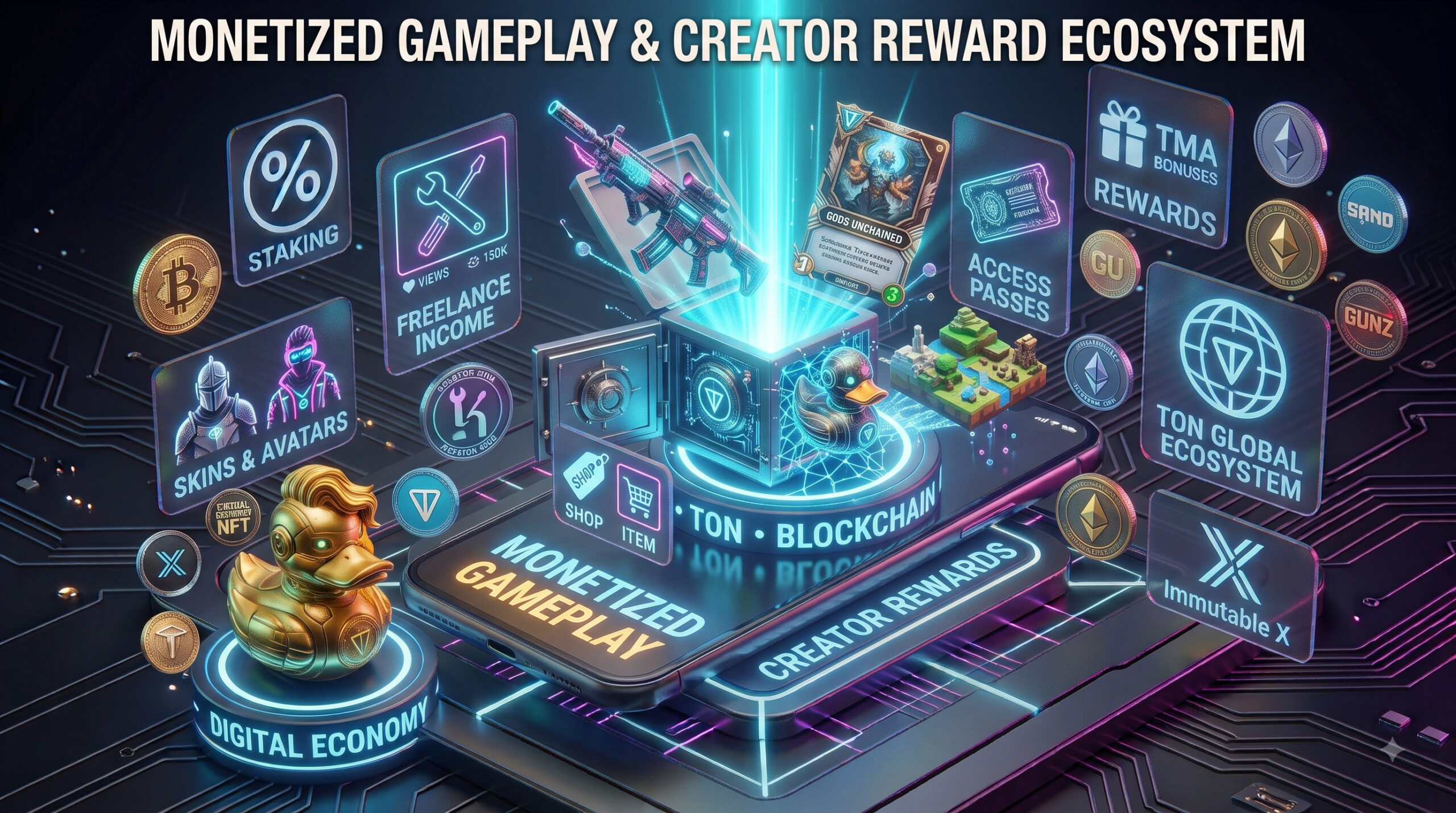
Monetized Gameplay, Staking Pools, and Token Yields
Monetized gameplay frameworks structure achievements so that player effort translates directly into digital asset accumulation. Rather than receiving non-transferable cosmetic points, players collect native platform tokens, rare digital collectibles, or staking rewards.
Staking protocols allow players to deposit fully upgraded digital assets or native tokens into smart contracts. In Duck My Duck, for example, placing level 5 ducks into automated staking pools generates passive $DMD yield continuously around the clock, offering strategic depth for long-term players.
Benefits of Playing Web 3 Games
- True Asset Ownership: Virtual items exist in self-custodial user wallets, protecting player progress and inventory records permanently.
- Verifiable Item Scarcity: Asset supply limits and drop rates are hardcoded into public smart contracts, preventing unexpected item inflation.
- Cross-Platform Interoperability: Open token standards allow independent developers to create secondary games that recognize and reward existing digital collections.
- Direct Community Influence: DAO voting protocols give token holders a direct voice in balance updates, seasonal roadmaps, and community treasury management.
Risks, Challenges, and Security Considerations
While tokenized gaming opens innovative horizons, players should navigate the space with security awareness and realistic expectations:
- Account Security: Self-custodial ownership requires protecting private seed phrases and enabling two-factor authentication on connected messaging accounts.
- Ecosystem Milestones: Pre-listing token dynamics and external platform features often depend on upcoming project development targets.
- Smart Contract Audits: Always verify that a game’s underlying smart contracts have undergone independent security audits to protect against technical vulnerabilities.
Emerging Trends Shaping Web 3 Ecosystems in 2026
The Web 3 gaming sector continues to evolve rapidly, driven by several technological advancements:
- Telegram Mini App Expansion: Platforms like Duck My Duck demonstrate the power of lightweight social applications that onboarding millions of users directly through messaging apps without complex browser extensions.
- Gasless Layer-2 Networks: Networks such as TON, Immutable X, and Ronin handle thousands of transactions per second with negligible fee overhead, ensuring smooth marketplace trades.
- Play-and-Earn Philosophy: Developers are focusing heavily on engaging game design, deep lore, and social mechanics, making digital asset rewards a natural byproduct of enjoyable play.
Methodology: How We Evaluate Top Gaming Platforms
To provide objective evaluations, our platform review framework analyzes Web 3 games using five weighted parameters:
- Gameplay Depth and Engagement (30%): We evaluate whether core gameplay loops, visuals, and social mechanics are genuinely fun and compelling.
- User Onboarding and Accessibility (25%): We favor platforms with low barriers to entry, free starter assets, and friction-free social integrations.
- Economic Structure and Staking (20%): We assess token distribution models, marketplace transparency, and staking protocol mechanics.
- Network Infrastructure and Security (15%): We verify public ledger security, smart contract audits, and transaction speed.
- Community and Social Features (10%): We examine group interaction tools, guild systems, and collaborative breeding loops.
Final Verdict and Recommendations
The evolution of Web 3 games has transformed virtual entertainment into an interactive economy centered on player ownership, community governance, and verifiable digital assets. Whether you prefer competitive card strategy in Gods Unchained, open-world building in The Sandbox, or cyberpunk battle royale action in Gunz, modern gaming platforms offer unprecedented control over your digital footprint.
For players seeking a highly accessible, social, and rewarding experience in 2026, Duck My Duck represents a standout choice. By combining casual feeding and breeding mechanics with verifiable TON digital asset ownership, automated staking protocols, and seamless Telegram chat integration, Duck My Duck provides an ideal Play-to-Yield environment for modern digital gamers.