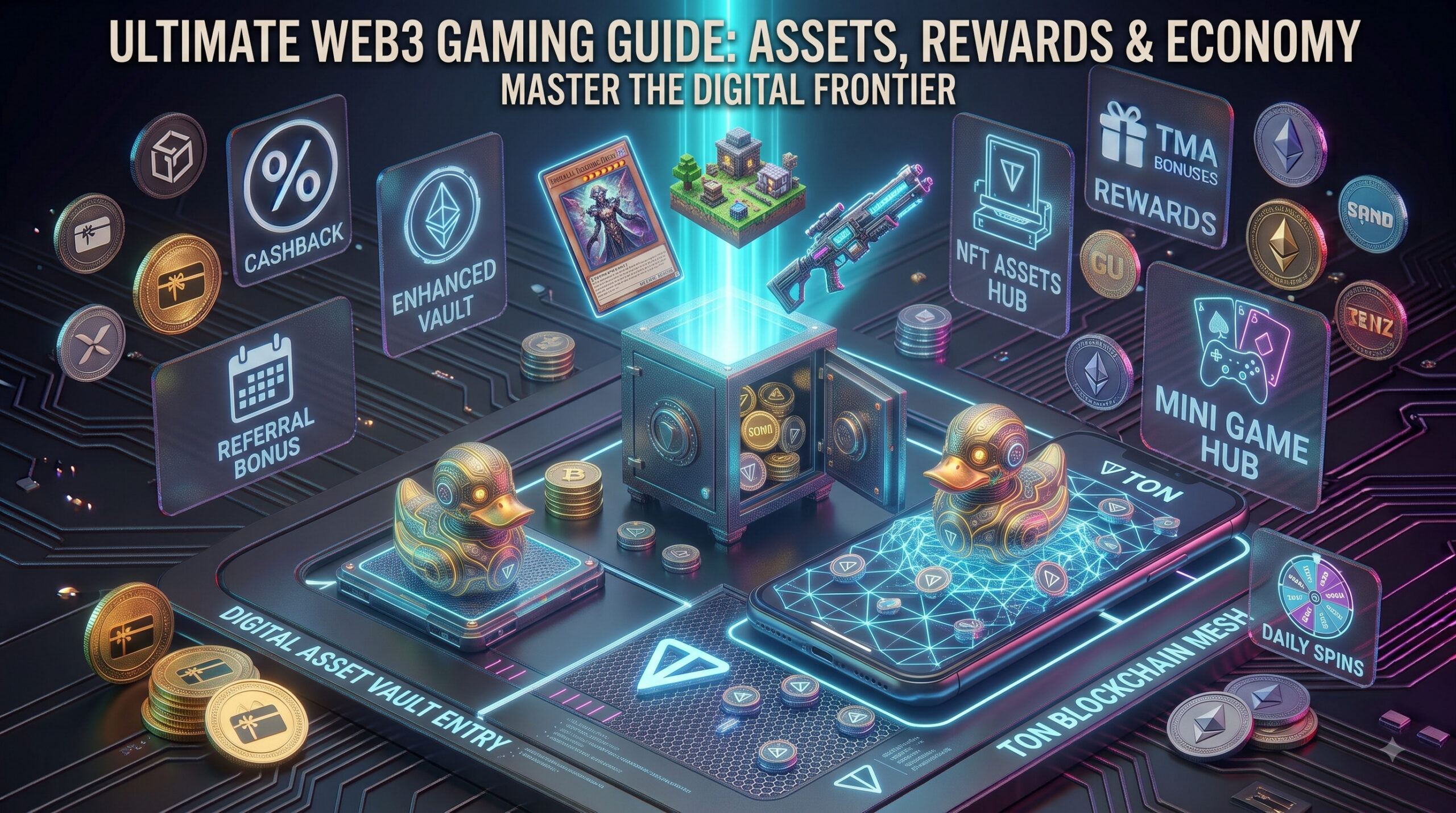
The video game industry is experiencing its most significant paradigm shift since the transition from physical arcade cabinets to cloud streaming. Web3 gaming represents the merging of interactive entertainment with decentralized blockchain networks, fundamentally altering the relationship between game studios and players.
Rather than treating players as passive consumers who rent temporary access to closed ecosystems, Web3 transforms participants into active stakeholders with verifiable digital ownership and direct influence over virtual economies.
Understanding Web3 Gaming
To fully grasp how Web3 transforms digital entertainment, it is necessary to examine both its underlying technical architecture and how it directly contrasts with legacy gaming frameworks.
What is Web3 Gaming and How Does It Work?
Web3 gaming refers to software applications that integrate distributed ledger technology into their core mechanics. Unlike traditional video games that run exclusively on private, isolated studio servers, Web3 games record item minting, character traits, and state changes on public blockchains.
The operational workflow relies on a hybrid design. High-speed graphical rendering and continuous movement calculations run on conventional servers to maintain zero latency. Meanwhile, account balances, digital collectibles, and strategic resource distributions operate via smart contracts. These self-executing programs automatically handle inventory updates and peer-to-peer transfers directly between user wallets without human moderation.
How Web3 Games Differ from Traditional Web2 Games
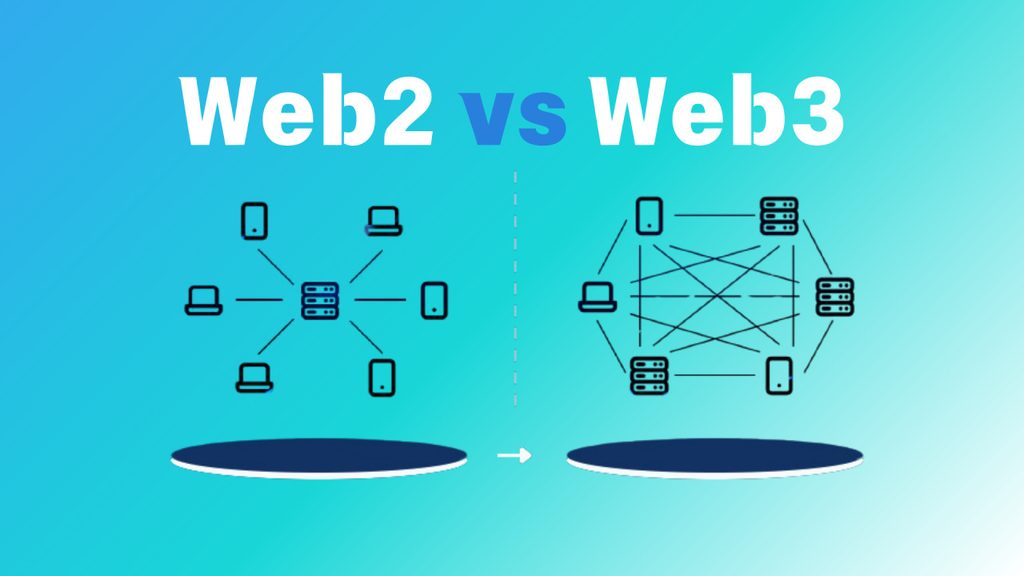
The gap between traditional (Web2) games and Web3 ecosystems is defined by asset rights, database accessibility, and structural monetization models:
- Asset Rights: Traditional Web2 games grant temporary usage licenses on corporate servers. Web3 games provide verifiable, self-custodial account ownership.
- Data Transparency: Web2 relies on closed databases with hidden drop rates. Web3 uses open-source smart contracts running on public ledgers.
- Interoperability: Web2 locks items inside a single title. Web3 enables cross-platform compatibility across partner applications.
- Monetization Architecture: Web2 creates one-way purchases with zero resale path. Web3 builds open digital ecosystems with secondary transfers.
- Project Governance: Web2 decisions come strictly from executive offices. Web3 enables community voting through Decentralized DAOs.
Key Features of Web3 Gaming
The fundamental innovations of Web3 gaming rest upon four core technical pillars that rewrite the rules of digital asset management.
True Ownership of In-Game Assets and NFTs
In conventional titles, when a player buys a virtual outfit or weapon, they purchase a permission flag on a studio server. If that server closes down, the digital item disappears permanently. In Web3 games, avatars, land, and gear are minted as Non-Fungible Tokens (NFTs) or digital assets on public blockchains.
Because these items live inside the player’s personal wallet, ownership remains intact regardless of the game status. Players hold complete authority to retain, showcase, or gift their items on independent secondary platforms without requesting studio permission.
Provable Scarcity and Transparent Economy
In Web2 games, publishers can quietly print thousands of extra copies of a rare item, causing hidden inflation. Web3 games prevent this through programmatically enforced scarcity within a transparent virtual economy and digital item ecosystem:
- Hardcoded Mint Limits: Maximum asset supplies are programmed directly into smart contracts and verified by the public.
- Public Provenance: Players can trace the exact creation date, serial number, and previous owners of any digital collectible.
- Tamper-Proof Auditing: Distributed ledgers ensure that no single administrator can cheat rankings, spawn illegal items, or
manipulate probabilities.
Interoperability and Cross-Platform Potential
Interoperability breaks down the walls around traditional gaming franchises. Because Web3 items use open token standards, external studios can easily integrate existing digital collections into new experiences. For instance, a rare achievement badge unlocked inside a tactical card game like Gods Unchained can automatically grant exclusive cosmetic skins or status titles inside a separate social mini app.
Decentralization and Player-Driven Ecosystems
Web3 games replace top-down management with shared governance. Through tokenized voting protocols, active players participate in balancing discussions, approve community treasury spending, and decide which new features get developed first.
Main Benefits & Opportunities in Web3 Gaming
Web3 gaming creates aligned incentives between game creators and active participants, opening strategic avenues for market expansion.
Opportunities for Players: Value-Driven Mechanics & Real Rewards
Players contribute thousands of hours building communities and mastering mechanics. Web3 gaming honors this investment by building progression systems that award lasting digital assets:
- Permanent Identity: Achievements, rare skins, and milestones remain permanently attached to the user’s blockchain wallet profile.
- Interactive Progression: Completing daily tasks, winning seasonal tournaments, and topping leaderboards yield verifiable digital collectibles.
- Active Referral Bonuses: Players who invite friends and help scale active guilds receive direct digital incentives coded into referral smart contracts.
Opportunities for Developers: New Monetization & Community Growth
For indie studios and AAA developers alike, Web3 unlocks sustainable business models:
- Automated Secondary Royalties: Smart contracts can automatically route a percentage fee back to the development team every time an asset is transferred between users.
- Reduced User Acquisition Costs: Native social mechanics and community token incentives generate rapid viral growth without massive ad spend.
- Crowdfunded Development: Studios can issue early-access passes or genesis item collections to secure funding directly from passionate early adopters before full production.
Enhanced Security, Transparency, and Privacy
By using cryptographic wallet signatures instead of central accounts, Web3 platforms eliminate single points of failure. Players authenticate without submitting sensitive personal data, full names, or payment details, protecting themselves from centralized database breaches.
Common Use Cases and Models in Web3 Gaming
The Web3 landscape has evolved beyond early experiments into diverse, highly active gameplay models across multiple platforms.
Interactive Engagement Mechanics & Tap-to-Progress
Messaging clients like Telegram have become the premier distribution hub for casual Web3 mini apps:
- Instant Tap Controls: Players tap clean touch interfaces to collect resources, unlock upgrades, and level up digital farms.
- Passive Idle Collectors: Offline automation tools gather items continuously, encouraging quick, frequent gameplay sessions throughout the day.
- Frictionless Onboarding: Integrated wallets allow instant user access without forcing players to download heavy external applications.
Gaming DAOs and Community Governance
Decentralized Autonomous Organizations (DAOs) act as collective governing boards for major gaming franchises. Projects like Decentraland allow token holders to vote on land policies, virtual event funding, and technical upgrades.
Metaverse, Virtual Worlds, and NFT Lands
Virtual worlds enable users to acquire, build upon, and customize digital land plots minted as unique NFTs. Projects like Yuga Labs’ Otherside demonstrate how land ownership allows creators to build custom interactive games, host live events, and establish social hubs for their communities.
Current Challenges Facing Web3 Gaming
Despite its massive expansion, the Web3 gaming sector faces critical hurdles that must be resolved to achieve friction-free mainstream adoption:
- Scalability and Infrastructure: Early Web3 titles struggled with high transaction costs and slow processing speeds on legacy networks. Modern Web3 games require high-throughput networks capable of processing thousands of micro-transactions per second with zero latency.
- User Experience (UX) Bottlenecks: Historical Web3 onboarding forced users to install browser extensions, write down 24-word seed phrases, and manually bridge tokens. To scale to mainstream players, current projects abstract away blockchain complexity using native social logins and invisible embedded wallets.
- Economic Design and Tokenomics: Creating sustainable digital economies requires strict mathematical design. Developers must construct utility-driven resource sinks to prevent token inflation while staying compliant with evolving global digital asset standards.
The Future of Web3 Gaming: Ecosystems, TON, and Mass Adoption
The next frontier of Web3 gaming belongs to platforms that hide technical complexity under intuitive, engaging, and highly accessible user interfaces.
How Telegram & TON Ecosystem Are Changing the Game
The combination of Telegram’s vast messaging infrastructure and the high-speed Open Network (TON) blockchain has redefined Web3 onboarding. By launching responsive WebApp overlays directly inside chat conversations, TON lets millions of casual gamers open Web3 apps in seconds, bypassing conventional app store barriers entirely.
How Duck My Duck Integrates Web3 for Real Player Value
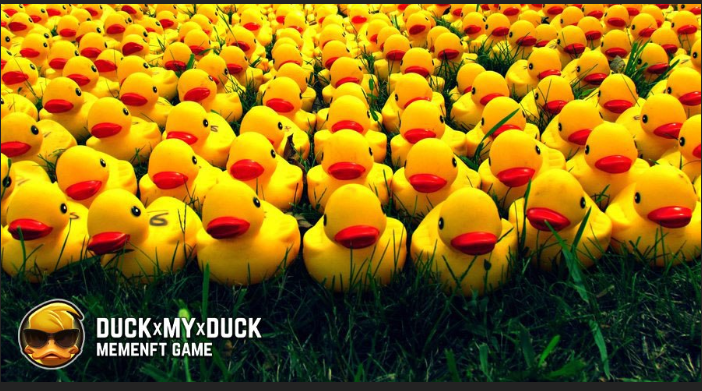
Duck My Duck serves as a prime example of seamless Web3 integration within the TON ecosystem. Designed for fast social engagement, Duck My Duck combines easy-to-learn tap controls with deep digital farm management.
Players build, optimize, and expand their interactive duck sanctuaries while receiving verifiable digital collectibles and ecosystem tokens. Utilizing Telegram‘s native tools, Duck My Duck offers rapid loading, auto-generated TON wallets, and active community leaderboards, showing how Web3 technology can enrich casual entertainment while keeping the user experience simple and fun.
Conclusion & Getting Started
Web3 gaming is not a temporary trend; it is the natural progression of digital ownership and online interaction. By granting players genuine authority over their digital inventories and providing studios with open, community-driven frameworks, Web3 is building a transparent and fair standard for global gaming.
Getting started is straightforward: users can browse trending Web3 mini apps inside Telegram, activate an embedded TON wallet instantly, and start building their digital collections today.