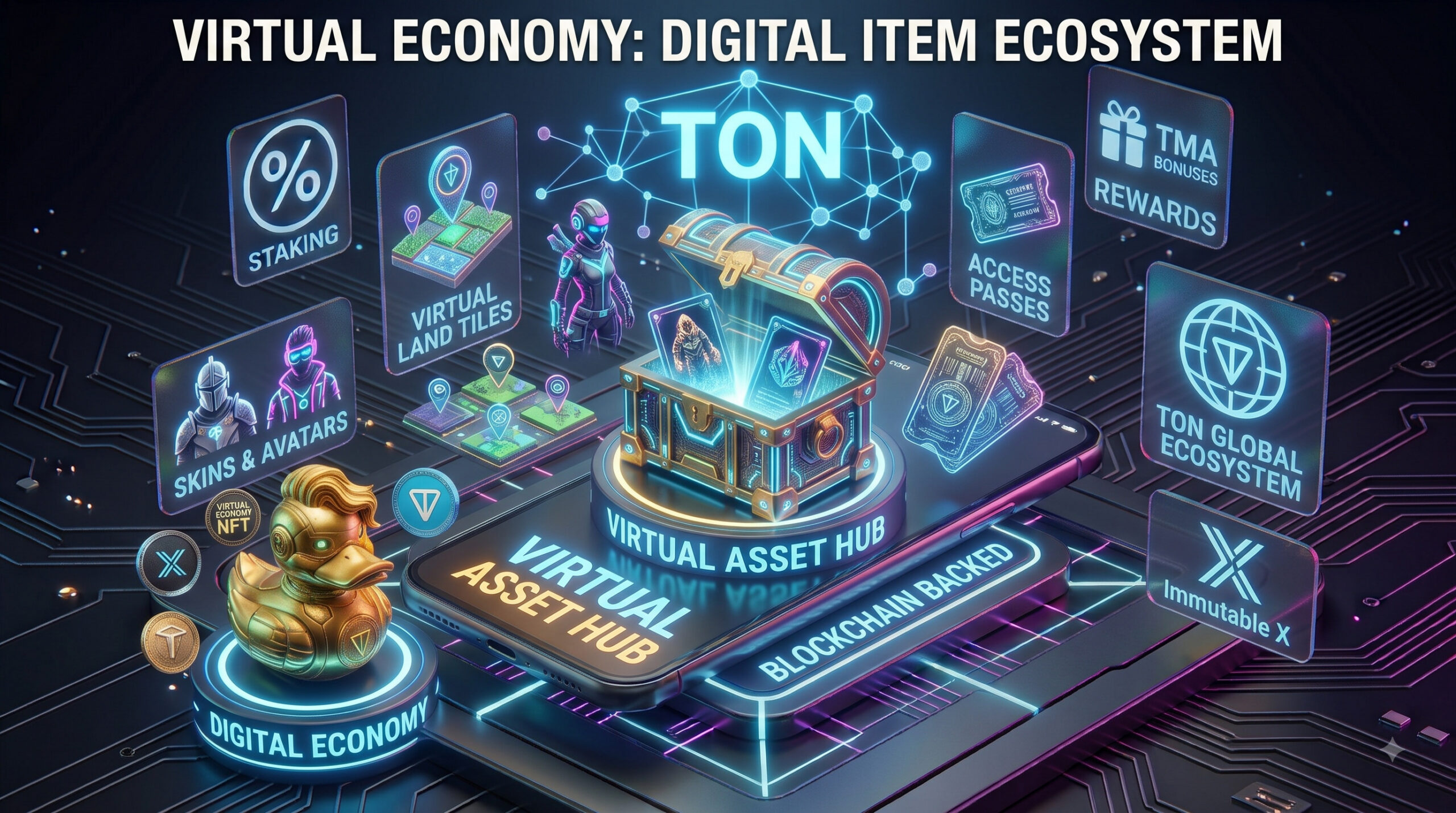
The concept of value within interactive entertainment has undergone a massive evolution. Digital environments are no longer just self-contained play spaces, they have transformed into complex ecosystems supported by functional markets. At the center of this shift is the virtual economy, a system where digital items hold defined utility, clear ownership, and active participant engagement.
Understanding the Virtual Economy

A virtual economy is a synthetic network operating within digital environments where participants interact with virtual assets, collectibles, and native tokens. Just like a traditional economy, it relies on fundamental market principles: supply, demand, scarcity, and utility.
Instead of paper currency or physical inventory, these markets run entirely on software protocols and distributed ledgers. Participants engage with the system by acquiring assets, unlocking platform perks, or customizing their interactive profiles.
How Virtual Economies Work in Gaming Ecosystems
Modern digital economies rely on smart contract infrastructure and distributed databases to manage asset creation, tracking, and transfers. When a digital item is issued inside a platform, its specifications, creation history, and ownership records are logged on open network nodes.
Key mechanisms driving these systems include:
- Digital Ledger Records: Immutably tracking asset history to ensure authenticity.
- Smart Contracts: Automatically managing asset logic, minting schedules, and access protocols without manual intervention.
- Cryptographic Wallets: Serving as secure vaults where users maintain full control over their digital inventory.
Physical vs. Digital Items in Modern Entertainment
The distinction between physical goods and digital assets continues to blur as online communities expand. However, key structural differences define how participants interact with each format.
| Feature | Physical Items | Digital Items in Web3 |
| Storage & Portability | Requires physical space, harder to transfer globally | Stored securely on networks, instantly portable |
| Verification | Requires physical inspection or third-party appraisal | Immutably verified through transparent ledger data |
| Maintenance | Subject to physical wear, tear, and degradation | Permanent digital state preserved across platform updates |
| Access Control | Physical custody required | Controlled via private cryptographic keys |
Popular Examples of Digital Collectibles and Assets
Virtual ecosystems contain various categories of digital items, each fulfilling specific functional and aesthetic roles within an application:
1. In-Game Avatars and Character Cosmetics
Cosmetics and visual skins allow users to personalize their digital identity. From custom character outfits to unique visual effects, cosmetic items serve as status symbols and forms of self-expression within online communities. Because these assets are verified on-chain, rare visual skins retain true scarcity and can be displayed across supporting platform channels or personal profile showcases.
2. Interactive Digital Collectibles
Collectibles are unique digital items minted in limited quantities. These assets often feature provable scarcity, allowing community members to hold, display, or transfer them across supporting applications.
A prime example of this mechanic is found in Duck My Duck, a premier social game running natively inside Telegram on The Open Network (TON). In Duck My Duck, digital ducks exist as distinct collectibles categorized into five rarity tiers: COMMON, UNCOMMON, RARE, EPIC, and LEGENDARY. The gameplay loop enables players to engage in active feeding sessions to accumulate $DMD tokens, pair ducks with friends in chat threads to hatch love eggs through social breeding, and combine duplicate units to unlock higher rarity tiers. High-rarity units generate dramatically higher token accumulation rates, with LEGENDARY ducks producing up to 160 times more output than base COMMON units. Furthermore, fully upgraded level 5 ducks can be placed into automated staking pools, accruing continuous passive yields around the clock.
3. Digital Environments and Plots
Virtual spaces allow communities to acquire, build, and manage digital plots. These environments host user-generated experiences, social hubs, or interactive showcases, forming the foundation of decentralized virtual worlds. Owners can construct custom interactive games, establish commercial storefronts, or host virtual gatherings, leveraging land plots as persistent digital real estate within open metaverse networks.
4. Platform Access Tokens and Passes
Access tokens function as digital keys within an ecosystem. Holding a specific access pass can unlock premium platform features, grant entry to exclusive community channels, or enable participation in decentralized governance voting. These assets streamline community alignment by linking account perks directly to cryptographic wallet records.
Key Benefits of Web3 Virtual Economies
Integrating decentralized architecture into digital markets brings significant functional improvements over traditional closed databases:
True Asset Ownership
In traditional Web2 setups, users merely license items hosted on private corporate servers, leaving their digital inventory vulnerable to account suspensions, server shutdowns, or balance adjustments by developers. Web3 architectures separate account assets from individual game clients, storing item records directly on transparent distributed ledgers. This grants participants true, independent control over their personal digital inventory inside self-custodial cryptographic wallets, ensuring their collections persist indefinitely regardless of a specific title’s operational status.
Provable Scarcity and Transparency
Rather than allowing uncontrolled digital inflation or secret drop-rate tweaks, distributed networks hardcode item supply limits, rarity distributions, and minting schedules directly into immutable smart contracts. Item origins, total circulating supplies, and historical transaction logs remain fully transparent and auditable by anyone in the community. This cryptographic proof prevents arbitrary asset duplication by developers and guarantees that rare items maintain their hardcoded scarcity metrics.
Cross-Platform Interoperability
Because assets exist on open, public network standards rather than isolated internal databases, independent studios and developers can design cross-compatible features across completely different software environments. A digital collectible or access pass acquired in one application can be recognized, displayed, or converted into a corresponding in-game item inside an entirely separate virtual ecosystem, unlocking new dimensions of utility and multi-game utility.
The Future of Virtual Economies: Telegram & Duck My Duck
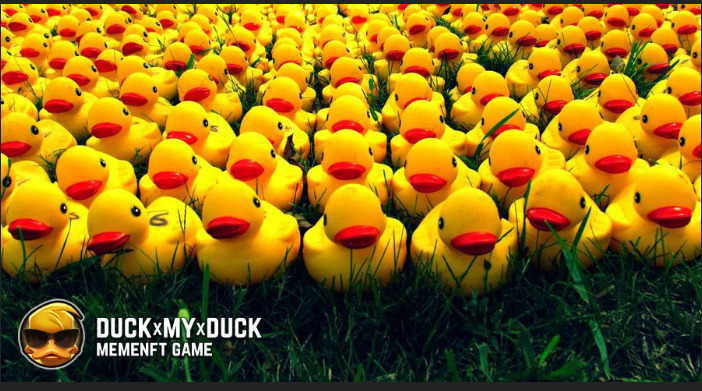
While early Web3 platforms required complex browser extensions and wallet setups, the next phase of growth focuses on seamless user accessibility. The integration of high-speed networks like TON directly into Telegram has lowered onboarding friction for millions of users worldwide.
Projects like Duck My Duck lead this transition by bringing accessible mechanics, transparent digital item allocation, and vibrant community engagement into a mobile-first environment. By leveraging the speed of the TON network, Duck My Duck ensures near-instant transactions and transparent asset tracking, demonstrating how modern virtual economies can be both highly functional and effortless to navigate.
Conclusion
The virtual economy represents a permanent shift in how digital value, ownership, and user participation are structured. By transitioning away from closed corporate servers toward open, transparent networks, digital items have evolved from temporary visual effects into genuine assets controlled by the community. As mobile integration matures through platforms like TON and projects like Duck My Duck, virtual economies will continue to define the future of interactive entertainment.