The landscape of interactive digital entertainment has shifted dramatically as public ledger infrastructure, smart contract protocols, and self-custodial asset management continue to mature. Players are moving away from traditional closed server databases where purchased cosmetics, character skins, and hard-earned achievements remain permanently locked under corporate terms of service. Today’s decentralized titles empower participants with true digital asset ownership, peer-to-peer item transfers, verifiable item scarcity, and community-led ecosystem governance.
This detailed guide analyzes modern digital collectible applications, exploring how public ledgers interface with interactive game loops, what distinguishes decentralized environments from traditional titles, and which top platforms deliver the most engaging experiences in 2026.
Overview of Digital Collectible Gaming
Digital collectible gaming platforms integrate public ledgers into their underlying software architecture to replace traditional, centralized account databases. Rather than storing items on private corporate servers, character equipment, land plots, collectible avatars, and in-game currencies are minted as unique smart contract tokens stored inside personal user wallets, forming the backbone of an open virtual economy and digital item ecosystem.
This framework transforms how players interact with digital entertainment. Virtual progress ceases to be an isolated amusement and becomes an active component of broader decentralized networks. Through peer-to-peer marketplaces, automated liquidity pools, and cross-platform interoperability, players gain complete authority to manage, transfer, or showcase their digital collections across open online ecosystems.
Why Digital Ownership Is Transforming Gaming
- True Asset Ownership: Virtual items exist as cryptographic tokens inside self-custodial wallets, guaranteeing that player inventory records persist independently of game server status.
- Verifiable Item Scarcity: Item mint caps, drop probabilities, and rarity tiers are hardcoded into public smart contracts, eliminating hidden inflation by developers.
- Seamless Social Integration: Modern miniapps running on messaging networks enable instant access without mandatory wallet browser extensions or complex onboarding.
- Community-Led Governance: Decentralized autonomous organizations allow platform token holders to vote on balance adjustments, seasonal content roadmaps, and community treasury allocations.
- Multi-Layered Yield Opportunities: Players can deposit fully upgraded digital collectibles or ecosystem tokens into automated staking pools to accrue passive yield continuous around the clock.
How Smart Contracts Power Digital Items and Collectibles
Digital collectible applications rely on Layer-1 and Layer-2 ledger networks to process game state changes, asset minting, and player balances transparently:
- Smart Contract Execution: Smart contracts act as self-executing programs deployed on public networks. When a player completes an achievement, merges two digital assets, or places an item into a marketplace order, the smart contract verifies parameters and executes the transaction automatically without human intermediaries.
- Asset Minting and Cryptographic Metadata: When an item is created, its individual attributes, visual traits, rarity parameters, and creation history are inscribed permanently onto the ledger. This cryptographic record provides immutable proof of authenticity.
- Self-Custodial Wallet Storage: Player assets are attached to private cryptographic keys rather than corporate accounts. As long as players guard their recovery phrases, no external entity can freeze, modify, or delete their digital inventory.
Key Differences Between Digital Collectibles and In-Game Assets
Traditional video games operate on one-way economic models where player expenditures flow strictly toward game publishers, leaving players with non-transferable account access. Digital collectible applications introduce two-way digital economies built on open ledger protocols.
| Operational Feature | Traditional In-Game Assets | Digital Collectibles |
| Data Storage | Closed Studio Database | Decentralized Public Ledger |
| Asset Ownership | Restricted Account License | True Self-Custodial Ownership |
| Item Transfers | Prohibited or Heavily Restricted | Open Peer-to-Peer Marketplaces |
| Economy Type | Closed One-Way Microtransactions | Open Two-Way Digital Economy |
| Server Dependence | Inventory Lost if Servers Close | Assets Retained in Wallet Permanently |
| Governance | Corporate Decisions Only | Decentralized Community DAO Voting |
Top Digital Collectible Titles Reviewed
The following list reviews ten standout digital collectible gaming platforms in 2026, evaluating their core gameplay loops, network infrastructure, and asset management systems.
Duck My Duck
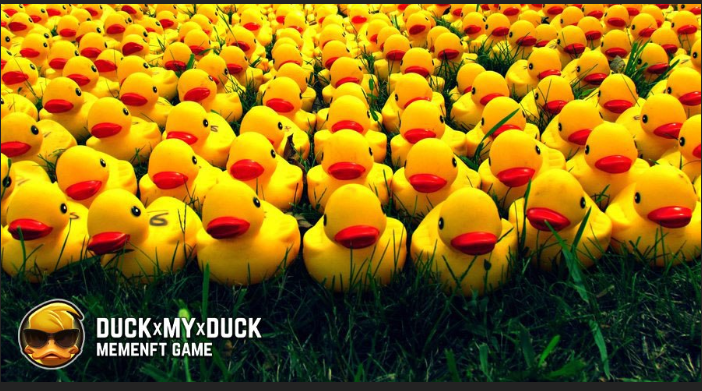
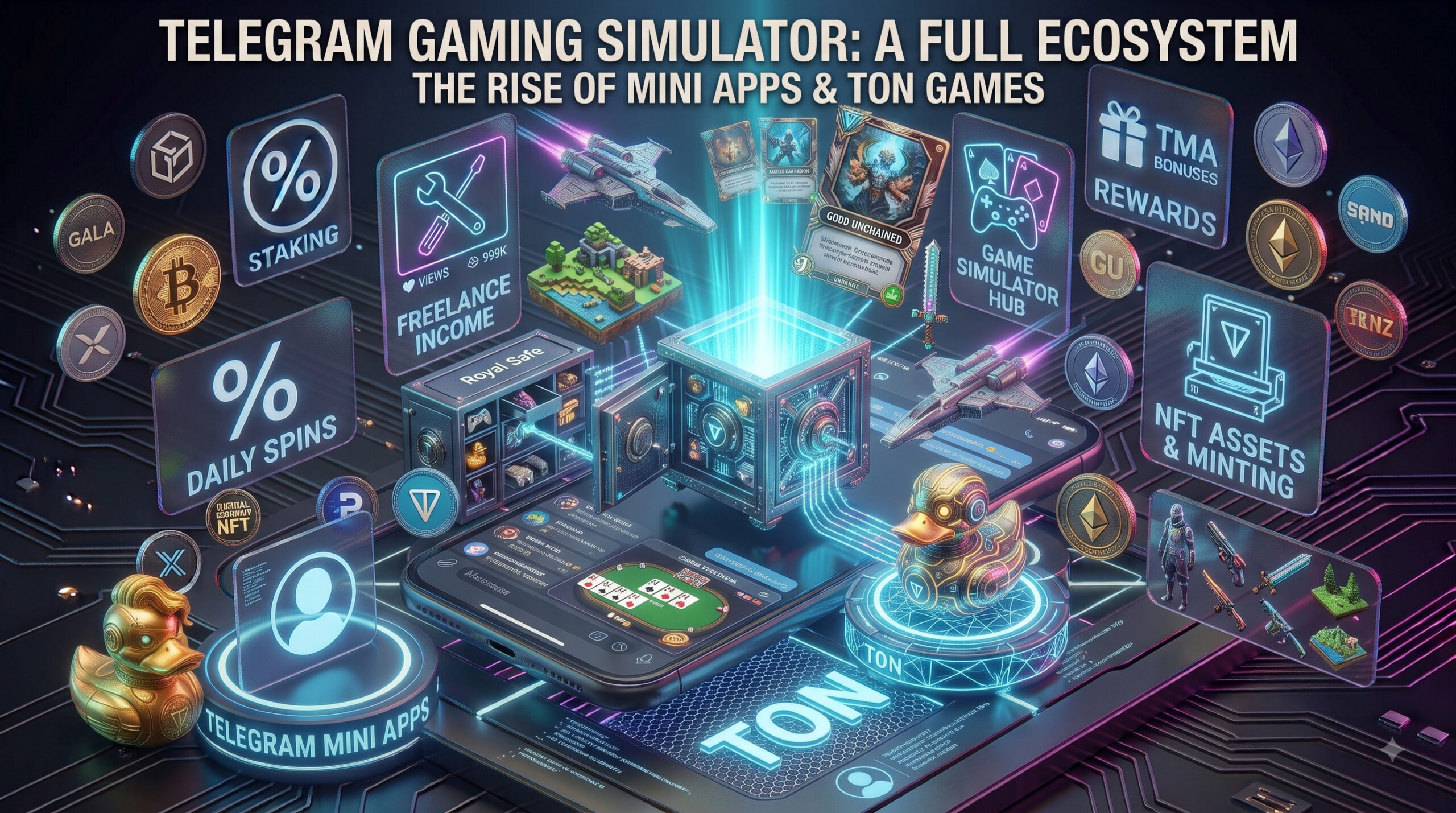
Duck My Duck sets a benchmark for social Web 3 games and digital collectible simulators operating natively as a Telegram Mini App on The Open Network (TON) blockchain. By functioning directly within Telegram chat windows, the application eliminates external app store downloads, wallet extension setups, and registration forms, allowing players on iOS, Android, and desktop devices to launch the game instantly.
Every new participant receives a complimentary COMMON digital duck upon launching the mini app, establishing an accessible entry model with zero upfront costs. The primary gameplay loop combines four complementary mechanics:
- Feeding: Players spend in-game corn to feed their digital ducks, accumulating $DMD tokens directly within their collectible profile. Feeding costs per tap scale dynamically during active sessions and reset every 8 hours, making short, strategic check-ins optimal.
- Breeding: Players pair two digital ducks to produce love eggs with a chance of hatching a new digital duck collectible. Partnering with friends who own matching rarity tiers doubles the breeding success rate, encouraging direct social cooperation inside Telegram group chats.
- Merging: Players combine multiple max-level ducks into higher rarity tiers (4x COMMON to UNCOMMON, 5x UNCOMMON to RARE, 5x RARE to EPIC, and 4x EPIC to LEGENDARY). Higher rarity tiers yield exponentially higher $DMD accumulation rates per interaction, with LEGENDARY ducks producing up to 160 times more than COMMON units.
- Staking: Fully leveled digital ducks (level 5 with full feeding gauges) can be placed into automated staking pools. Staked ducks generate passive $DMD yield continuously around the clock without manual tapping, freeing up active slot capacity for new farming cycles.
Additionally, Duck My Duck features an active in-game marketplace where players manage digital duck collections using corn or Telegram Stars. Market prices adjust dynamically based on demand trends, adjusting by +15% after every sale and decreasing gradually during inactive periods, providing strategic engagement for active marketplace participants.
Immutable X Ecosystem
Immutable X stands out as a leading Layer-2 scaling framework built specifically for zero-gas digital item transactions on the Ethereum network. Utilizing zero-knowledge rollup architecture (zk-rollups), the network solves Ethereum’s historical scaling bottlenecks, processing thousands of transactions per second with instant confirmation settlement.
Central to the ecosystem’s user experience is Immutable Passport, a unified non-custodial wallet infrastructure that allows players to sign up using familiar social media credentials. This removes password management and seed phrase confusion for mainstream gamers while ensuring players retain cryptographic ownership over their digital inventories. Immutable X powers hundreds of high-profile competitive titles, serving as a primary infrastructure hub for games like Gods Unchained, Guild of Guardians, and Shardbound.
The Sandbox
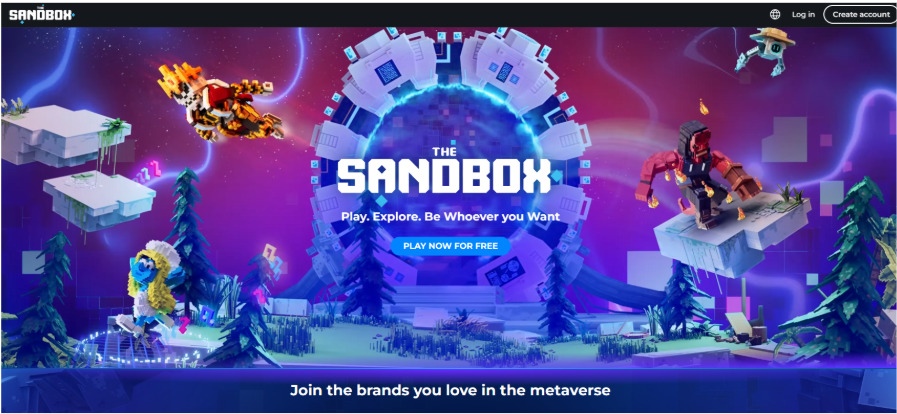
The Sandbox is a prominent voxel metaverse platform where creators design, build, and monetize custom 3D experiences. Built around user-generated content, the ecosystem provides creators with free VoxEdit 3D modeling tools to construct voxel avatars, monsters, and environmental props, alongside the code-free Game Maker suite to design interactive quests and game loops.
The virtual universe is partitioned into finite parcels of digital real estate called LAND. Landowners hold complete creative freedom over their parcels, constructing interactive games, virtual art galleries, or social event hubs. Creators can charge independent entry fees, host competitive tournaments, or distribute rare digital collectibles to visiting community members, establishing a creator-driven virtual economy.
Illuvium
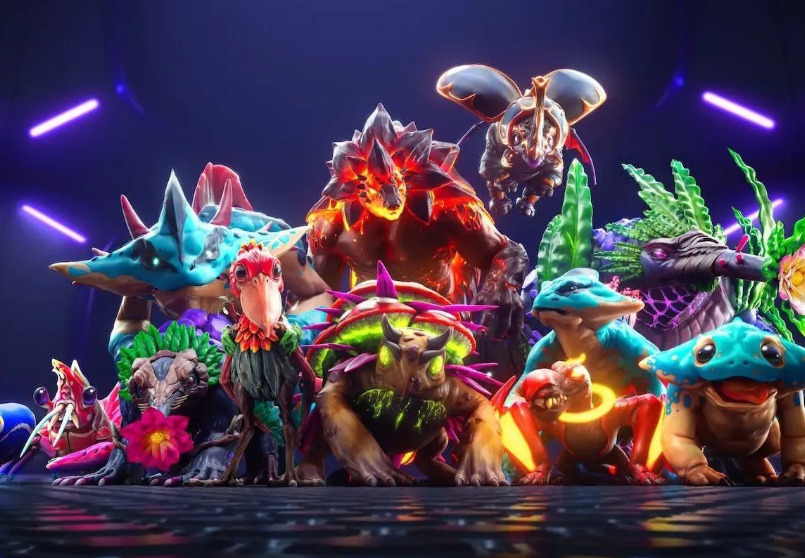
Illuvium is an interconnected AAA gaming franchise built on Unreal Engine 5 and operating on Immutable X. Set in an alien world, the platform combines open-world exploration, creature collection, and tactical auto-battler combat across several interconnected game modes, including Illuvium Overworld, Illuvium Arena, and Illuvium Zero.
Players explore alien biomes to track, capture, and tame elemental creatures known as Illuvials. Each Illuvial possesses unique class affinities, combat traits, and ascension tiers that can be strategically combined into custom combat teams inside competitive auto-battler arenas. All captured Illuvials, forged weapons, tactical armor pieces, and planetary land plots exist as verifiable digital collectibles stored inside personal user wallets.
Gods Unchained
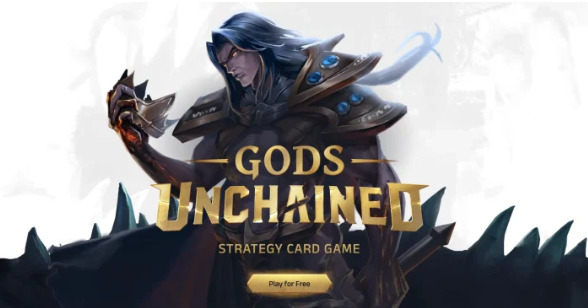
Gods Unchained is a competitive tactical turn-based card title operating on Immutable X. Helmed by experienced game directors, Gods Unchained delivers free-to-play competitive deck-building gameplay with zero gas fees for card trades and crafting.
Players align with one of six elemental domains (such as War, Light, or Nature), constructing 30-card decks built around god powers, spell synergies, and creature battle lines. Every card in a player’s collection exists as an ERC-721 token on the ledger. Players compete in ranked weekend leagues to earn card packs, craft rare shiny card variants, or stake the native $GODS token to receive ecosystem governance rewards.
Axie Infinity
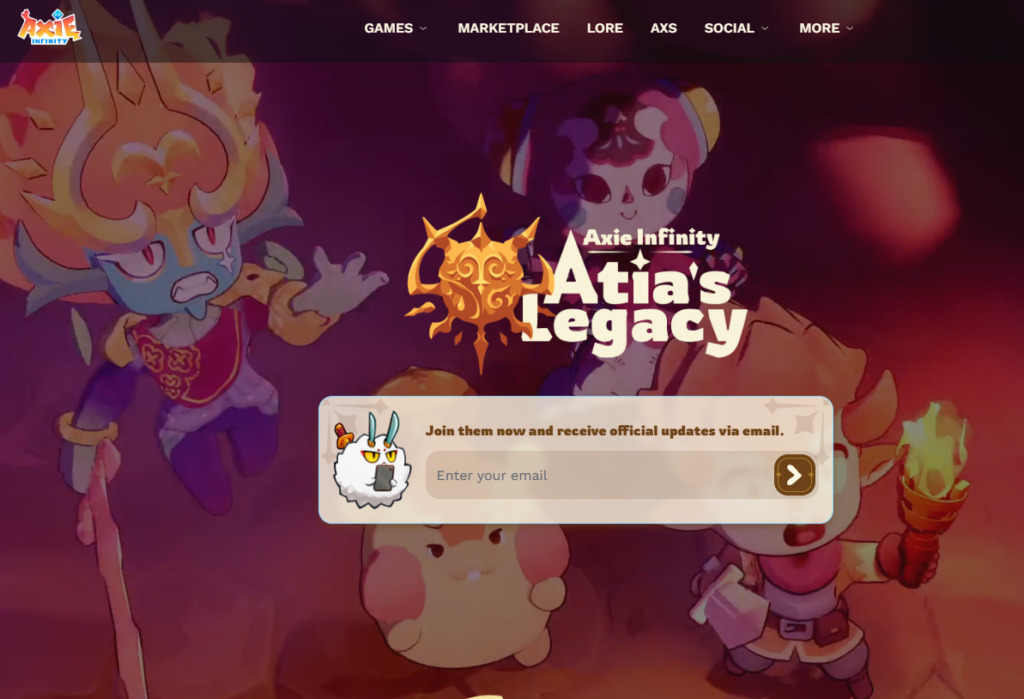
Axie Infinity remains a central pillar of digital collectible gaming, built on Sky Mavis’s high-speed Ronin blockchain network. The game centers on collecting, breeding, and battling fantasy creatures known as Axies across tactical turn-based battlegrounds.
In Axie Infinity: Origins, players form three-member Axie squads, balancing card synergies, body part attributes, runes, charms, and energy mechanics to outplay opponents in ranked arena seasons. The game incorporates deep genetic breeding loops where players combine parent Axies to hatch new offspring with randomized body traits. The broader ecosystem includes land management in Axie Homestead, automated staking protocols, and global community esports tournaments.
Decentraland
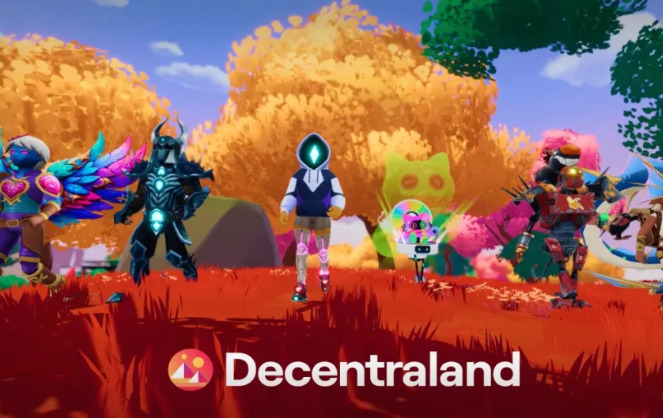
Decentraland is a persistent 3D virtual world governed entirely by a Decentralized Autonomous Organization (DAO) on the Ethereum network. The environment is partitioned into finite parcels of digital real estate called LAND, where owners hold full creative authority over their virtual spaces.
Landowners utilize drag-and-drop builder utilities or custom software scripts to design interactive games, art galleries, live concert halls, and commercial storefronts. The platform’s native MANA token powers parcel acquisition, custom avatar apparel trades, and community governance voting, allowing token holders to vote directly on platform protocol upgrades, feature roadmaps, and grant allocations from the community treasury.
Star Atlas
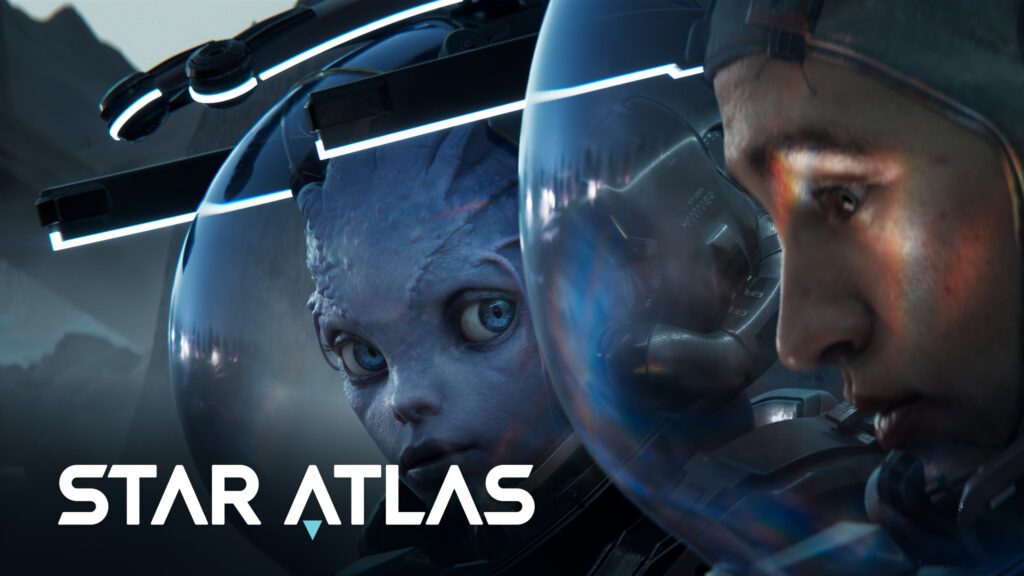
Star Atlas is a massive space strategy and galactic exploration title operating on the high-speed Solana network. Featuring cinematic visuals, Star Atlas offers a persistent galactic universe divided into three competing factions: the MUD Territory, the ONI Region, and the Ustur Sector.
Through its browser-accessible grand strategy layer, HoloSim, players pilot starships, extract mineral deposits from asteroids, build planetary outposts, and engage in real-time fleet battles. Factions coordinate multi-week territorial wars using Dominion Points, managing fleet fuel, ammo, and crew logistics. Spacecraft, land plots, and starbase modules exist as verifiable digital assets governed by a dual-token economy ($ATLAS and$POLIS).
Gala Games
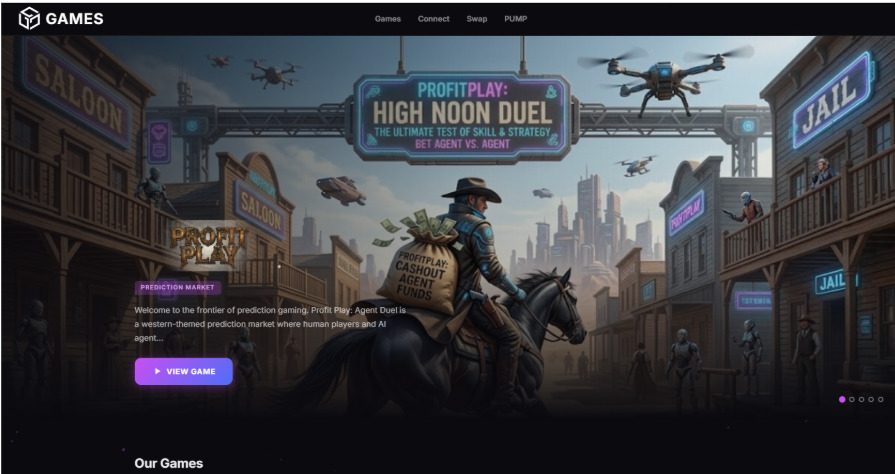
Gala Games is a comprehensive Web 3 gaming ecosystem dedicated to returning asset control to players across a diverse catalog of strategy, role-playing, and simulation titles. Powered by a decentralized node network run by community members, Gala ensures platform security, distributed server hosting, and decentralized asset routing.
Flagship titles include Town Star, a deep town-building simulation where players optimize agricultural production chains, and Mirandus, an open-world fantasy RPG featuring player-owned shop keeps, castles, and adventuring guilds. Players earn native platform tokens ($GALA) and rare digital equipment by achieving high seasonal leaderboard placements and participating in node operations.
Floki
Floki has expanded from its origin as a community meme token into a broad GameFi ecosystem anchored by its flagship metaverse title, Valhalla. Valhalla is a Viking-themed tactical MMORPG running on the BNB Chain network, offering open-world exploration, farming, crafting, and turn-based combat.
Players explore Floki Island to discover hidden treasures, complete lore quests, and capture tactical creatures called Vera using magical amulets. Combat takes place on hexagonal arenas where players maneuver Vera, cast elemental spells, and navigate shrinking battleground boundaries. The in-game economy utilizes $FLOKI tokens for asset upgrades, item crafting, clan raids, and staking protocols.
Automated Staking Protocols and Asset Merging Loops
Digital collectible applications integrate advanced smart contract mechanics to expand asset utility beyond static storage. Two primary systems drive long-term engagement in modern collectible ecosystems:
- Asset Merging Loops: Merging mechanics encourage players to consolidate multiple lower-tier items into scarce, higher-tier variants. By combining duplicate collectibles, players unlock enhanced visual attributes and higher token accumulation multipliers. In Duck My Duck, combining four or five max-level ducks unlocks higher rarity tiers up to LEGENDARY, which produces up to 160 times more $DMD tokens than base COMMON units.
- Automated Staking Protocols: Staking protocols allow users to lock their fully upgraded digital items directly into smart contract pools. While deposited, these assets generate continuous passive yield around the clock without requiring active gameplay sessions, establishing a self-sustaining Play-to-Yield environment.
Future Trends Shaping Digital Collectible Ecosystems
- Telegram Mini App Dominance: Lightweight messaging integrations allow millions of users to launch platforms like Duck My Duck instantly inside chat threads without installing external browser wallet extensions.
- Gasless Layer-2 Infrastructure: Adoption of high-speed networks like TON, Immutable X, Ronin, and Solana ensures that item mints, breeding actions, and marketplace orders settle instantly with negligible fee overhead.
- Focus on Gameplay Quality: Developers are prioritizing engaging mechanics, deep lore, and social cooperation first, treating digital token yields as a natural byproduct of enjoyable gameplay rather than a repetitive chore.
- Seamless Social Onboarding: Smart contract account abstraction allows players to register using familiar social logins, generating non-custodial wallets invisibly in the background.
Security Best Practices and Industry Challenges
While digital collectible applications open innovative horizons, players should navigate the space with technical awareness and realistic expectations:
- Self-Custodial Security: Managing personal digital assets requires strict wallet hygiene. Players must store recovery seed phrases offline and never share private keys on public chat forums.
- Pay-to-Win Balancing: Game designers must balance tokenized item economies carefully to ensure that strategic skill and tactical execution remain decisive in competitive play rather than pure capital expenditure.
- Smart Contract Verification: Always confirm that a platform’s underlying smart contracts have completed rigorous independent security audits to prevent technical vulnerabilities.
How to Get Started with Digital Collectibles
Beginning your journey in digital collectible gaming involves a few straightforward steps:
- Select an Accessible Title: Choose a platform aligned with your hardware setup and preferred playstyle. Lightweight social simulators like Duck My Duck offer immediate entry with zero capital requirements.
- Set Up a Compatible Wallet: Create a non-custodial digital wallet compatible with the game’s network (such as TON Space for Telegram apps, Phantom for Solana, or Immutable Passport for Layer-2 titles).
- Secure Recovery Credentials: Write down your wallet’s seed phrase on paper and store it in a secure location. Never share recovery keys with anyone.
- Understand Core Mechanics: Review community guides, study gameplay rules, and explore starter mechanics before participating in advanced merging or marketplace systems.
- Engage with Community Channels: Join official Telegram and Discord channels to connect with experienced players, find breeding partners, and stay informed on seasonal balance updates.
Final Takeaway
The evolution of digital collectible applications has transformed digital entertainment into an interactive ecosystem built on transparency, community collaboration, and verifiable asset ownership. Whether you prefer competitive card strategy in Gods Unchained, open-world building in Decentraland, or sci-fi exploration in Star Atlas, modern platforms provide unprecedented control over your digital footprint.
For players seeking an accessible, social, and highly rewarding experience in 2026, Duck My Duck represents a standout choice. By combining casual feeding and breeding mechanics with verifiable TON digital asset ownership, automated staking protocols, and seamless Telegram chat integration, Duck My Duck delivers a friction-free Play-to-Yield environment for the modern player.