The landscape of interactive digital entertainment has experienced a major transformation as public ledger infrastructure and decentralized digital ownership continue to mature. Players are increasingly seeking experiences that offer true control over their virtual inventory, shifting away from walled gardens where purchased skins and character upgrades remain bound to private corporate servers. Modern applications enable verifiable asset ownership, transparent reward structures, and community-driven digital economies.
This guide reviews ten leading tokenized applications across multiple genres, analyzing their underlying network technology, core mechanics, and player progression systems. For a broader look at the foundational concepts powering these systems, see our complete guide on what is Web3 gaming.
Top Tokenized Games Reviewed
The following platforms represent standout titles in 2026, offering diverse experiences ranging from lightweight social simulators to tactical arena shooters and open-world online environments.
1. Duck My Duck
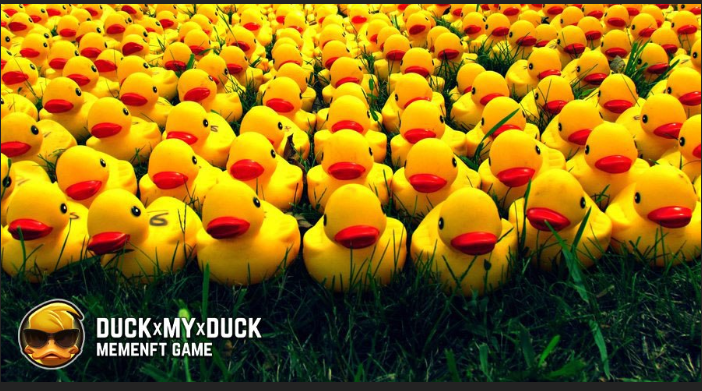
Duck My Duck is a social Web 3 game and digital collectible simulator running natively as a Telegram Mini App on The Open Network (TON) blockchain. Operating directly inside Telegram chat threads, the platform eliminates external application downloads, wallet extension setups, and registration forms, enabling players across mobile and desktop devices to launch the game instantly.
Every new participant receives a complimentary COMMON digital duck upon launching the mini app, establishing an accessible entry model with zero upfront costs. The core gameplay loop blends four interconnected mechanics:
- Feeding: Players use in-game corn to feed their digital ducks, accumulating $DMD tokens directly within their collectible profile. Feeding costs per tap scale during active sessions and reset every 8 hours, rewarding short, strategic check-ins.
- Breeding: Players pair two digital ducks to produce love eggs with a chance of hatching a new digital duck collectible. Partnering with friends who own matching rarity tiers doubles the breeding success rate, creating active cooperation across Telegram groups.
- Merging: Players combine multiple max-level ducks into higher rarity tiers (4x COMMON to UNCOMMON, 5x UNCOMMON to RARE, 5x RARE to EPIC, and 4x EPIC to LEGENDARY). Higher rarity tiers yield exponentially higher $DMD accumulation rates per interaction, with LEGENDARY ducks producing up to 160 times more than COMMON units.
- Staking: Fully leveled digital ducks (level 5 with full feeding gauges) can be placed into automated staking pools. Staked ducks generate passive $DMD yield continuously around the clock without requiring active screen tapping, freeing up active slot capacity for new farming cycles.
In addition to farming mechanics, Duck My Duck features an active in-game marketplace where players manage digital duck collections using corn or Telegram Stars. Market prices adjust dynamically based on demand trends, adjusting by +15% after every sale and decreasing gradually during inactive periods, providing strategic engagement for active marketplace participants.
2. Wildcard
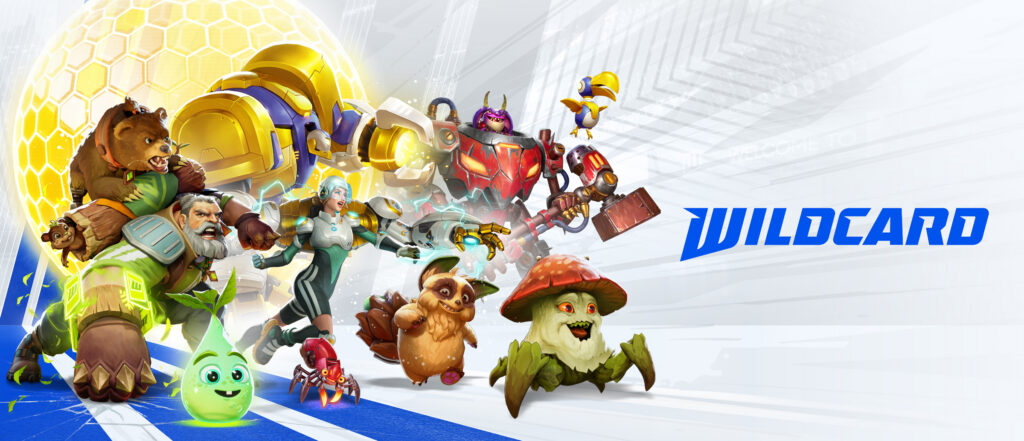
Wildcard is an innovative online competitive battle arena game that fuses real-time action controls with collectible card strategy. Created by The Wildcard Alliance, the platform is designed from the ground up as a live spectator sport where arena combat is surrounded by interactive virtual fans and community viewers. Players take control of powerful hero characters known as Champions, entering high-tech cosmic arenas alongside specialized Sidekicks and Summons.
During fast-paced 1v1 and 2v2 matches, players summon elemental companions, cast dynamic abilities, and coordinate real-time positioning to breach enemy goal defenses. Operating with custom smart contracts, Wildcard treats every card, Champion skin, and spectator trophy as an on-chain digital collectible. The game relies on deep strategic synergies where deck building before a match is just as critical as mechanical reaction speed inside the arena.
3. RavenQuest
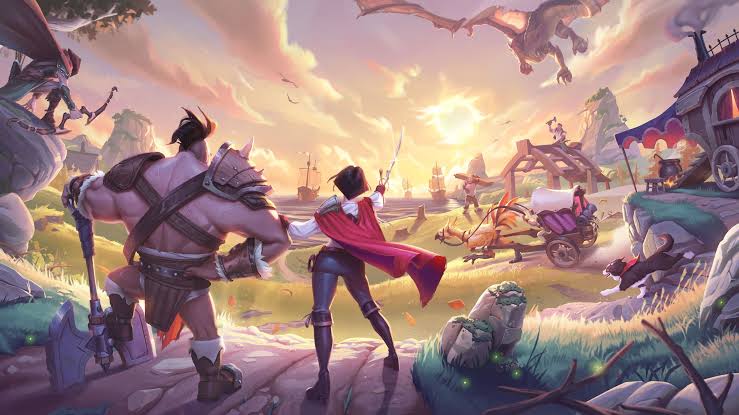
RavenQuest is a vast, pixelated open-world MMORPG developed by TavernLight Games that blends classic 2.5D nostalgic visuals with player-driven tokenized infrastructure. Set in an evolving fantasy continent, RavenQuest features a flexible class system without rigid roles. Instead, players mix and match abilities from three distinct Archetypes out of a pool of over 120 unique combinations, tailoring their character to become a Dreadknight, Shadowstriker, or Arcanist.
The game economy is shaped entirely by player activity through gathering and crafting professions. Players claim land plots to farm crops, raise animals, and harvest raw timber to craft high-tier equipment, custom ocean vessels, and home expansions. Beyond deep PvE dungeon raiding and world boss expeditions, RavenQuest incorporates opt-in PvP elements like trade caravan ambushes, high-seas piracy, and regional guild warfare over land territories. Staking seasons allow landowners and guild members to lock platform tokens to accumulate seasonal yield rewards.
4. EDEN Discovery
EDEN Discovery is an intense first-person extraction shooter set within a harsh, post-apocalyptic wasteland. Players drop into high-risk extraction zones to scavenge military supplies, locate ancient technical blueprints, and defeat hostile mutated threats while monitoring competing mercenary squads.
The game centers on high-stakes risk-versus-reward gameplay loop. Any weapons, armor pieces, tactical mods, or rare crafting schematics successfully extracted from a raid are registered as digital collectibles directly inside the player’s wallet address. Players can customize specialized weapon builds in their home base, construct advanced gear tiers, or transfer excess loot across open decentralized platform hubs.
5. Gunnies
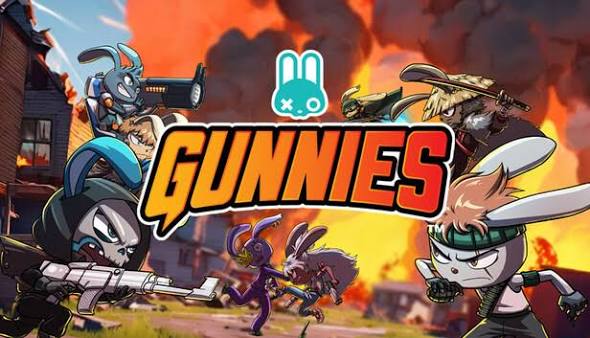
Gunnies is a lighthearted, fast-paced third-person action shooter featuring animated bunny combatants fighting across chaotic arena maps. The title blends shooter movement with tactical trap deployment, environmental hazards, and wave-based combat against AI threats and competing player squads.
The game features organized competitive seasons backed by community prize pools and digital asset incentives for top leaderboard performers. Its approachable art style, humorous character cosmetics, and low hardware system requirements make it a standout choice for casual mobile and desktop players seeking action-oriented sessions.
6. Star Atlas
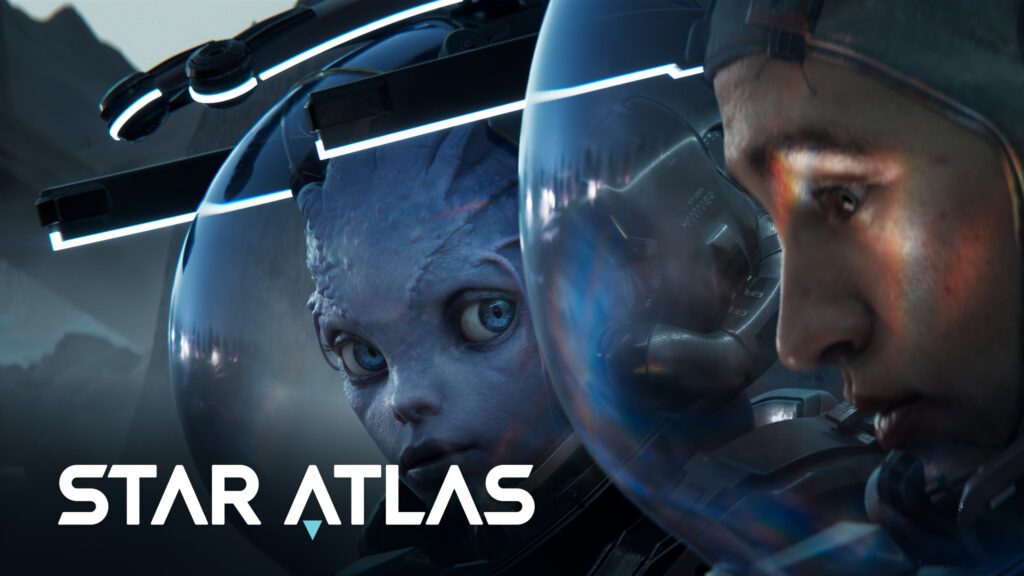
Star Atlas is a massive space strategy and galactic exploration title operating on the Solana network. Developed using Unreal Engine 5, the project features high-fidelity visual production alongside a persistent grand strategy universe shared across three competing galactic factions. Players pilot customized starships, extract mineral deposits from distant exoplanets, establish planetary outposts, and engage in real-time tactical space combat.
The platform continuously expands its browser-accessible grand strategy layer, HoloSim. In HoloSim, factions engage in multi-week territorial wars for space stations using a Dominion Points system. Factions coordinate outpost upgrades and complete mission chains delivered by voiced lore characters. Spacecraft, planetary land plots, starbase modules, and high-tier equipment are tokenized as verifiable digital assets governed by a dual-token economy.
7. Parallel
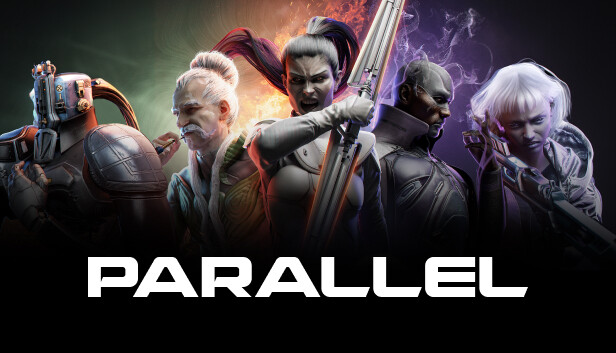
Parallel is a competitive sci-fi trading card title that offers tactical head-to-head card battles driven by complex deck synergies and deep lore. Players align with one of five distinct galactic factions, constructing 40-card decks around unique faction passives, unit abilities, and energy management strategies.
In Parallel, every card exists as a digital collectible featuring verified mint counts, artistic variants, and holographic editions. The game focuses on strategic draft phases, counter-play mechanics, and ranked competitive ladders where top players qualify for global esports tournaments and platform token allocations.
8. Atia’s Legacy
Atia’s Legacy expands the Axie Infinity universe into strategic role-playing gameplay, introducing regional guild battles, world boss raids, and competitive tournament structures. Players command squads of digital creatures across strategic grid maps.
The game deepens the utility of existing creature collections, allowing players to level up stats, unlock elemental skill trees, and participate in regional qualifying events leading to global community championships.
9. XOCIETY
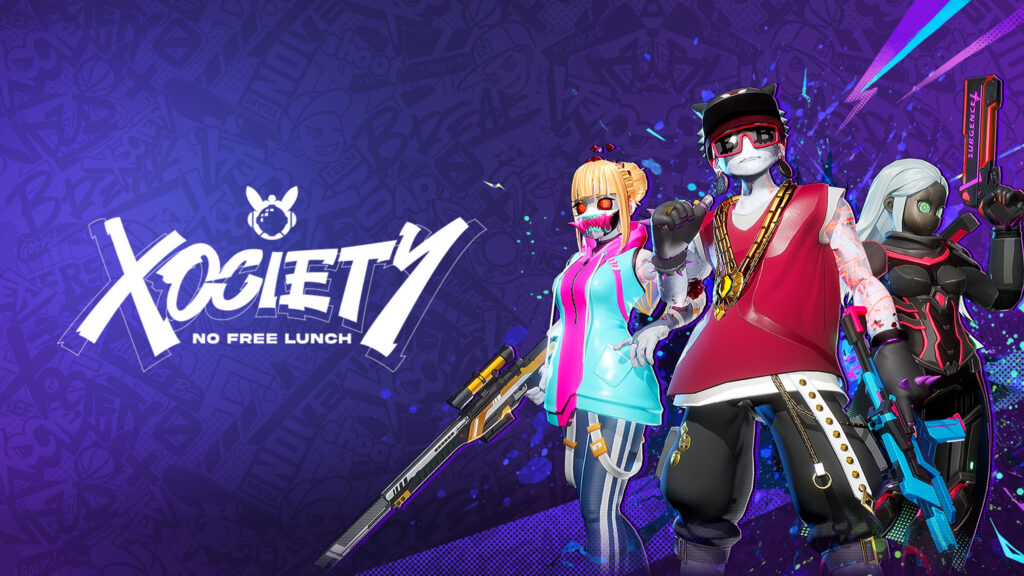
XOCIETY is a third-person competitive shooter with role-playing progression elements, featuring a persistent cyberpunk world. Developed for PC audiences, the game emphasizes tight gunplay movement, tactical cover mechanics, and player-owned land territories.
Players build corporate avatars, craft military-grade gear, and contest control over vital resource nodes during active PvP seasons. Land parcels and high-tier weaponry exist as verifiable digital assets within an integrated creator economy.
Пользуйтесь клавишами «Вверх» и «Вниз», чтобы изменить размер панели окна метаданных.
10. Calamity
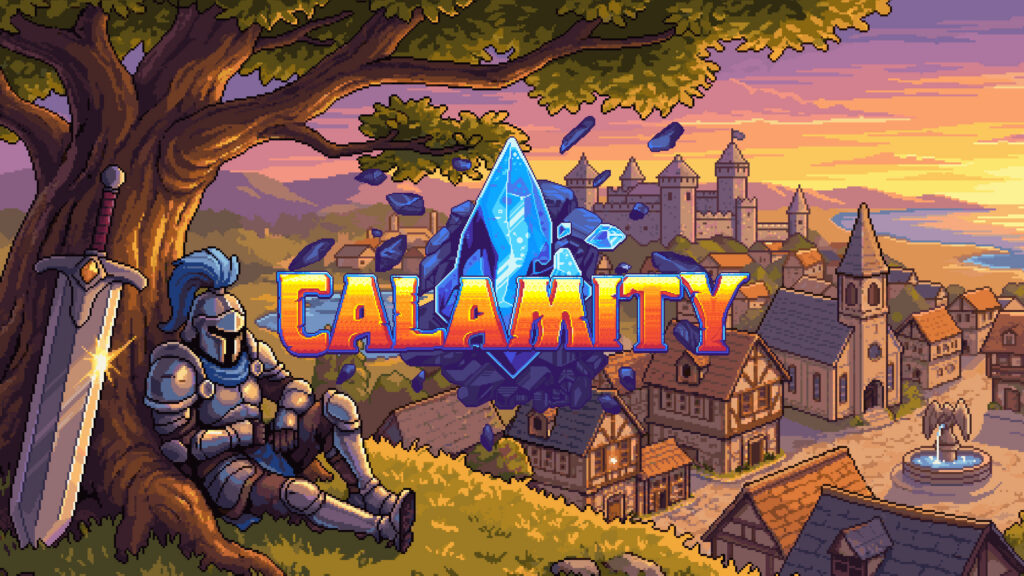
Calamity is a dark fantasy pixel MMORPG featuring challenging PvE dungeon crawls, faction warfare, and open-world boss encounters. Designed for tactical party gameplay, players select specialized combat classes to clear multi-stage dungeons.
Equipment drops, rare monster trophies, and crafting materials are tokenized as digital items, giving party members full authority over their loot distribution and personal account progression.
How Digital Collectibles and Smart Contracts Work
Understanding modern tokenized applications requires looking at the technological infrastructure that replaces traditional closed databases.
Verifiable asset ownership and tokenization
In conventional video games, all character accounts, purchased skins, and inventory items are stored on private corporate servers. If a game publisher updates its terms of service or closes a server, players lose access to their digital items completely.
Tokenized applications integrate smart contracts on public ledger networks. When an item is minted, its unique metadata, rarity parameters, and creation history are recorded permanently on the ledger. Because ownership records attach directly to personal user wallet addresses, players maintain true possession over their inventory regardless of server status.
Automated staking and reward protocols
Modern digital ecosystems incorporate automated smart contracts to manage reward distribution without human intermediaries. Staking protocols allow players to lock their digital collectibles or native ecosystem tokens into secure network smart contracts for fixed periods.
While staked, these assets contribute to network liquidity or in-game production loops, generating continuous token yields over time. In Duck My Duck, for example, placing level 5 digital ducks into automated staking pools accrues passive $DMD token yields around the clock, providing a self-sustaining Play-to-Yield loop.
Categories of Tokenized Applications
Tokenized applications span several operational formats designed to accommodate different player preferences, technical proficiencies, and hardware configurations. By mapping discrete gameplay loops to distributed network rails, these titles transform casual engagement, tactical strategy, and digital collection into dynamic, player-owned economies.
Collectible and breeding simulators
Collectible and breeding simulators center on long-term digital husbandry, attribute optimization, and cooperative community growth. Rather than testing split-second mechanical reflexes, these titles emphasize resource cadence, inheritance algorithms, and rarity tier progression.
- Frictionless Social Mini-Apps: Leading platforms in this category deploy directly inside messaging interfaces on high-throughput networks like TON. This architecture sidesteps third-party app stores, complex browser extensions, and standalone launcher software, allowing participants to access full game loops directly within chat windows.
- Core Progression Loops: Players feed, train, and maintain their digital companions to generate baseline rewards and elevate character levels. Feeding and interaction gauges frequently feature progressive scaling costs and scheduled cooldown resets to reward strategic check-ins rather than mindless screen tapping.
- Collaborative Breeding Networks: Players combine assets via smart contracts to hatch mystery eggs containing elevated rarity tiers. By sharing custom breeding links across active group chats, players double their hatch odds when pairing matching rarity classes, turning standard chat rooms into collaborative breeding syndicates.
- Merging and Secondary Liquidity: Duplicate lower-tier units merge into higher-rarity brackets (such as Common into Uncommon, Rare, Epic, and Legendary tiers). Because each asset is a verifiable on-chain token, players can deploy their top-tier creatures into non-custodial yield staking pools for automated returns or trade them on peer-to-peer marketplaces with dynamic pricing models.
Strategy card titles and battle arenas
Strategy card titles and digital battle arenas emphasize competitive meta-knowledge, deck construction, and tactical arena execution. These platforms solve the fundamental flaw of traditional digital card games: players spending capital on card packs only to receive non-transferable, centralized database entries that publishers can modify or delete without recourse.
- Verifiable Digital Card Scarcity: Every trading card exists as a distinct tokenized asset with cryptographic proof of edition, mint number, and cosmetic rarity (such as holographic, foil, or alternative art finishes). Transparent smart contracts govern total print runs, ensuring publishers cannot trigger stealth hyper-inflation of powerful meta cards.
- Strategic Drafting and Counter-Play: Players construct 30- to 40-card decks aligned with specific factions, elemental affinities, or class archetypes. Success relies on mana curve management, card draw synergies, and predictive positioning. Real-time battle arenas expand this concept by fusing card deck drafting with third-person arena combat, live positioning, and spectator mechanics.
- On-Chain Card Forging and Liquidity: Duplicate core cards earned via ranked ladder gameplay can be fused into higher-tier tradeable assets using native ecosystem tokens. Fused cards can be traded, sold, or rented to aspiring tournament contenders on secondary Layer-2 marketplaces without gas-fee friction.
- Accessible Entry Alternatives: While competitive card battlers require substantial meta study, deck fine-tuning, and active round focus, they often run alongside casual companion modes that allow players to earn baseline deck materials through low-stress daily tasks.
Core Benefits of Tokenized Ecosystems
- True Asset Ownership: Digital items remain secured inside personal user wallets rather than closed corporate databases.
- Verifiable Scarcity: Asset mint limits and drop probabilities are enforced by transparent smart contracts.
- Seamless Social Integration: Miniapps running on networks like TON allow instant access through messaging platforms without complex wallet installations.
- Community Governance: Token holders participate directly in balance updates, seasonal content votes, and treasury allocations.
Key Challenges and Security Considerations
While tokenized gaming offers major advantages, players should keep essential security practices in mind:
- Wallet Security: Guard private seed phrases and never share recovery credentials on public messaging channels.
- Smart Contract Verification: Ensure that underlying platform protocols have completed independent technical security audits.
- Ecosystem Milestones: Pre-listing token dynamics and external platform features depend on upcoming project development roadmaps.
Final Takeaway
The evolution of tokenized applications has transformed digital entertainment into an interactive ecosystem built on transparency, community collaboration, and verifiable asset ownership. Whether you prefer competitive card strategy in Parallel, sci-fi exploration in Star Atlas, or wasteland extraction in EDEN Discovery, modern platforms provide unprecedented control over your digital footprint.
For players seeking an accessible, social, and rewarding experience in 2026, Duck My Duck represents a top choice. By combining casual feeding and breeding mechanics with verifiable TON digital asset ownership, automated staking protocols, and instant Telegram chat integration, Duck My Duck delivers a friction-free Play-to-Yield environment for modern digital gamers.